Monthly Archives: February 2017

The Horses!

Ok, so where were we?

Ah, yes, the horse drawn sleighs had just appeared for the Opening Ceremony for the 2017 Rørosmartnan, Røros’ annual fair.

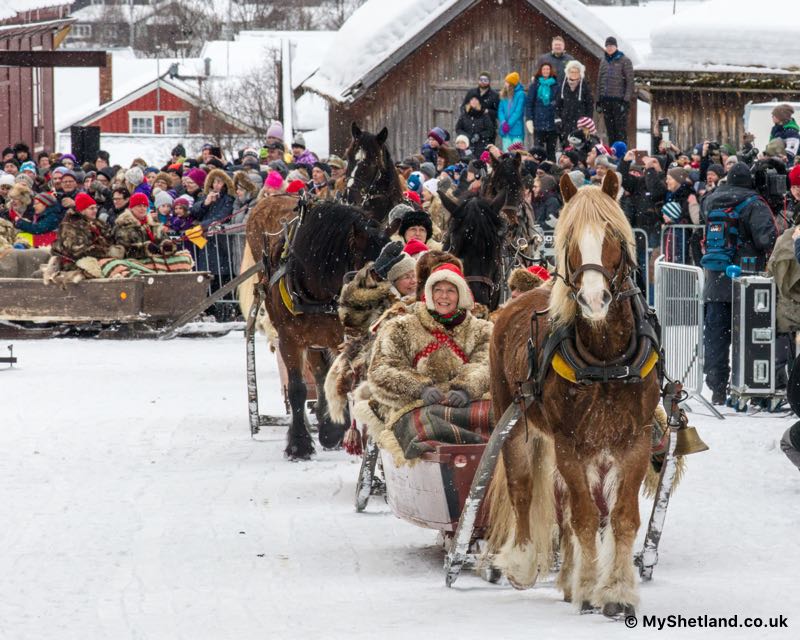
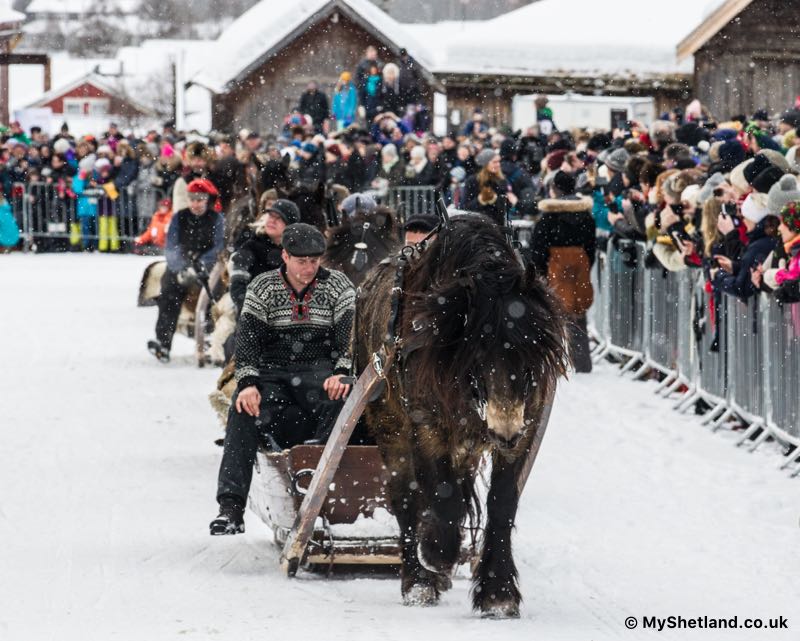
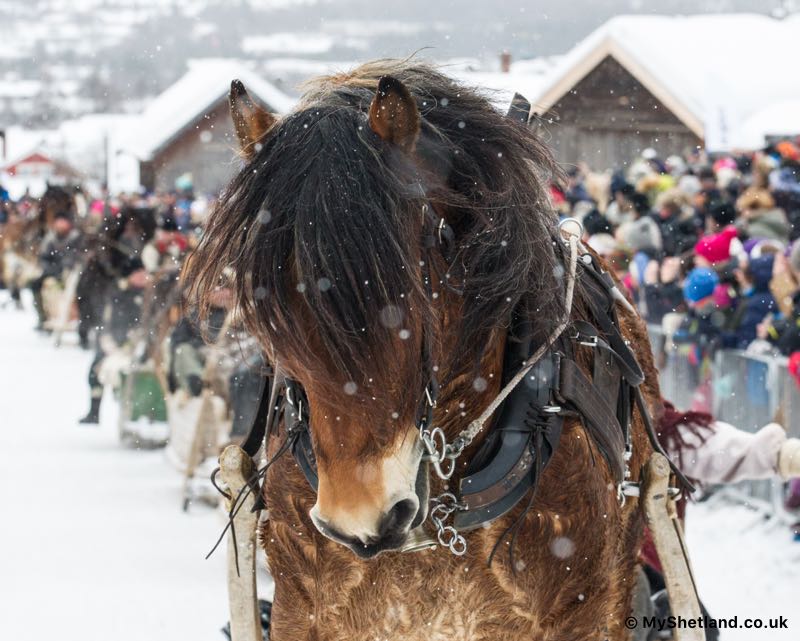
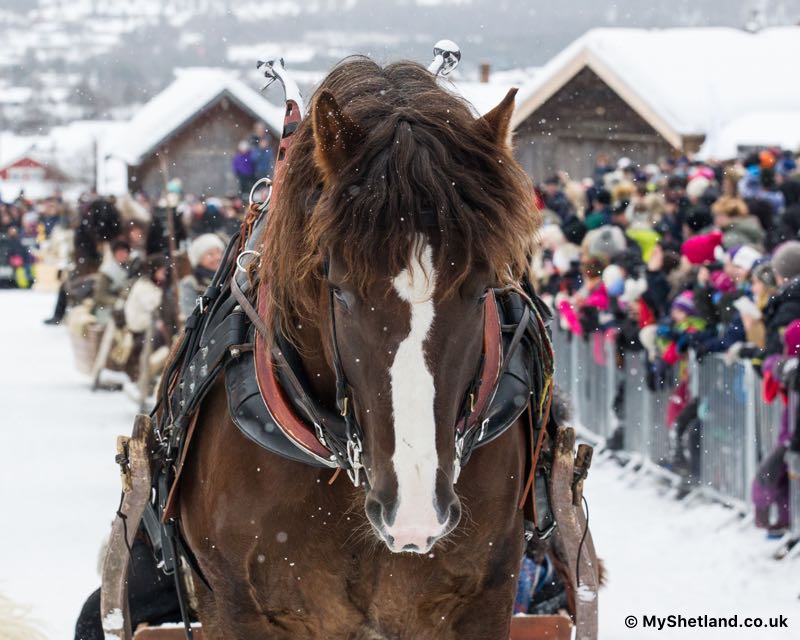
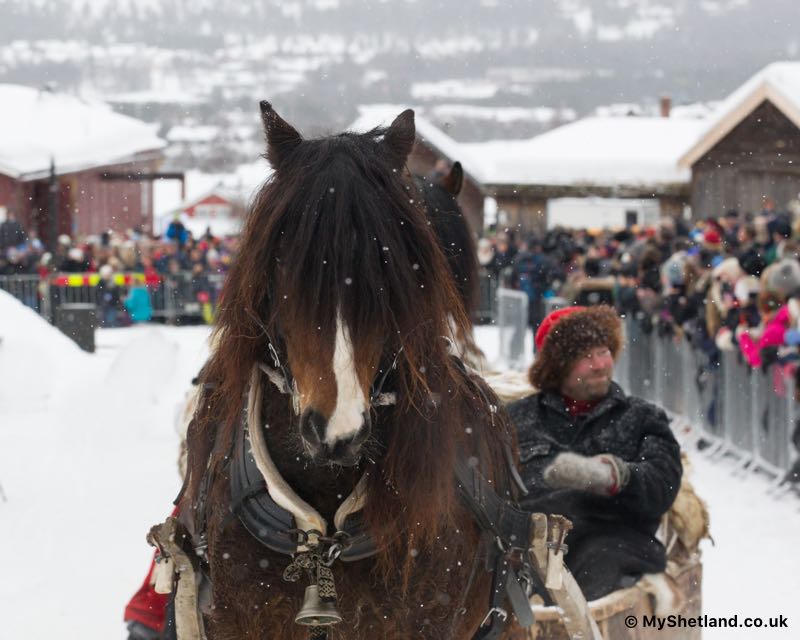
The horses and sleighs arrived in groups of about 6 or so and were grouped according to the district they had travelled from.  They were introduced to the crowd as they came up the hill.

There were 92 horses participating – from all over Norway and Sweden, taking up to 10-12 days to travel to Røros, stopping off and making camp at various farms en route.

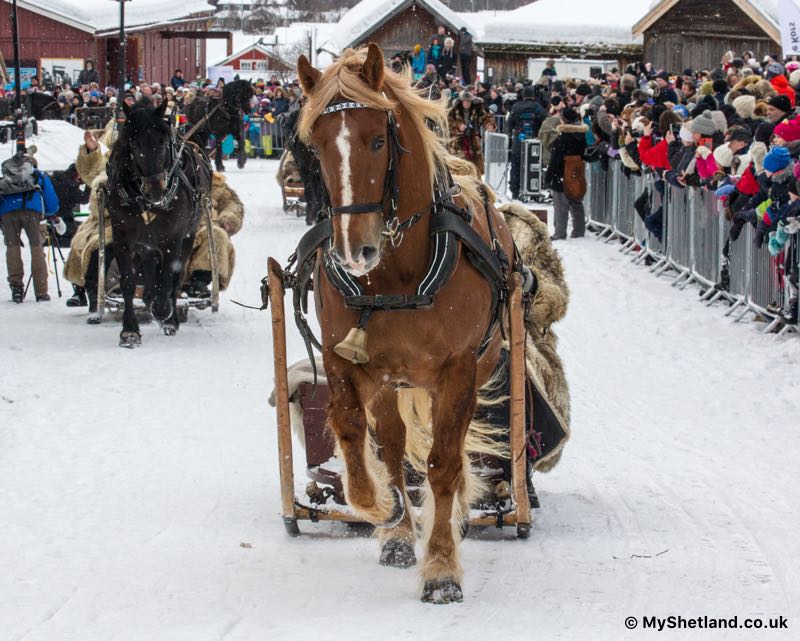
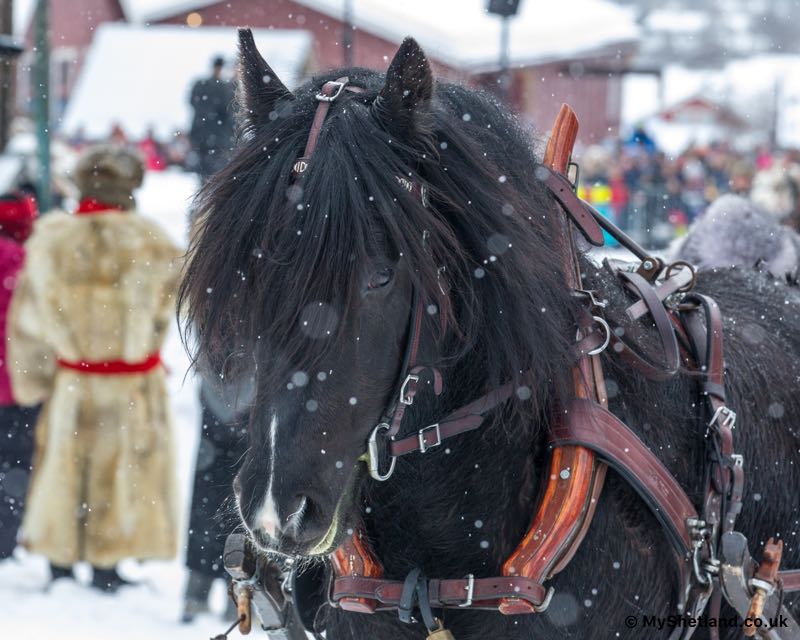
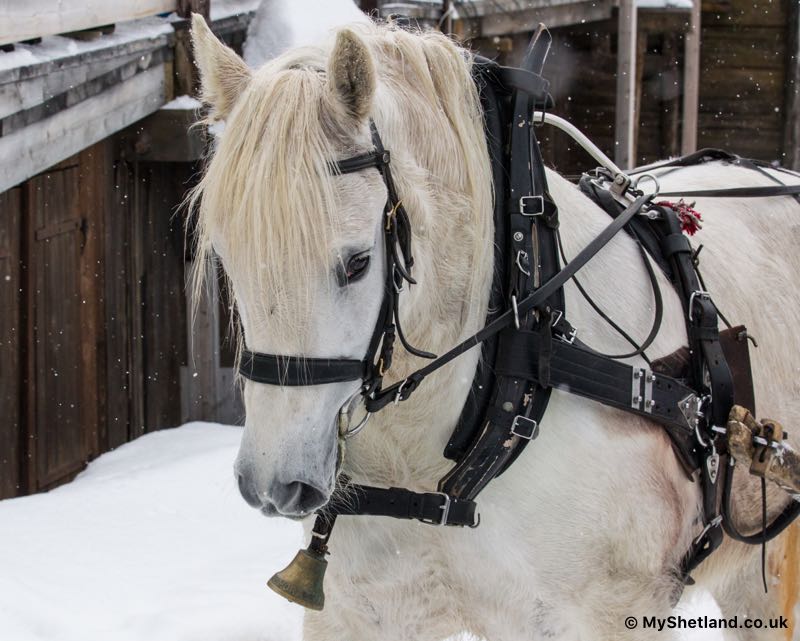
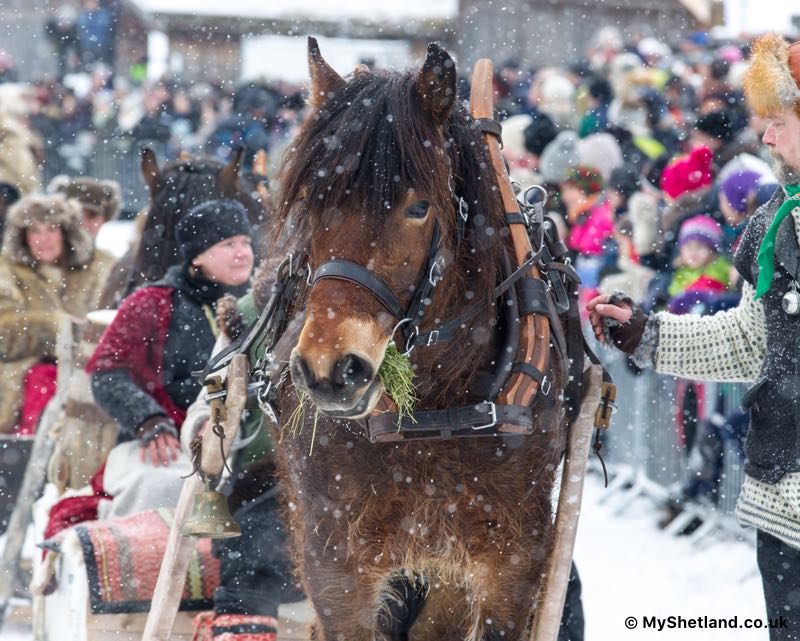
The horses all wore bells, which made a beautiful noise.  Not sleigh bells, but big ringing brass bells that clanged as they walked.

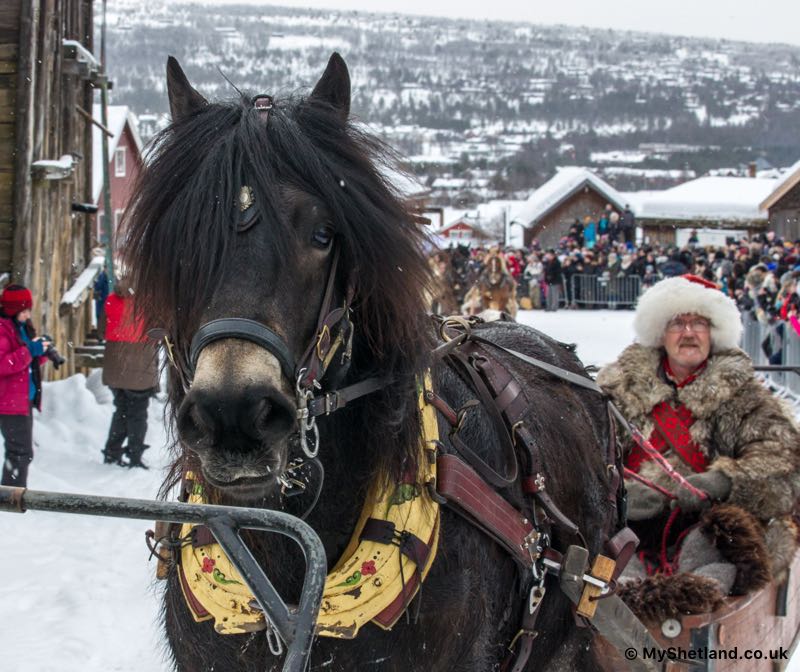
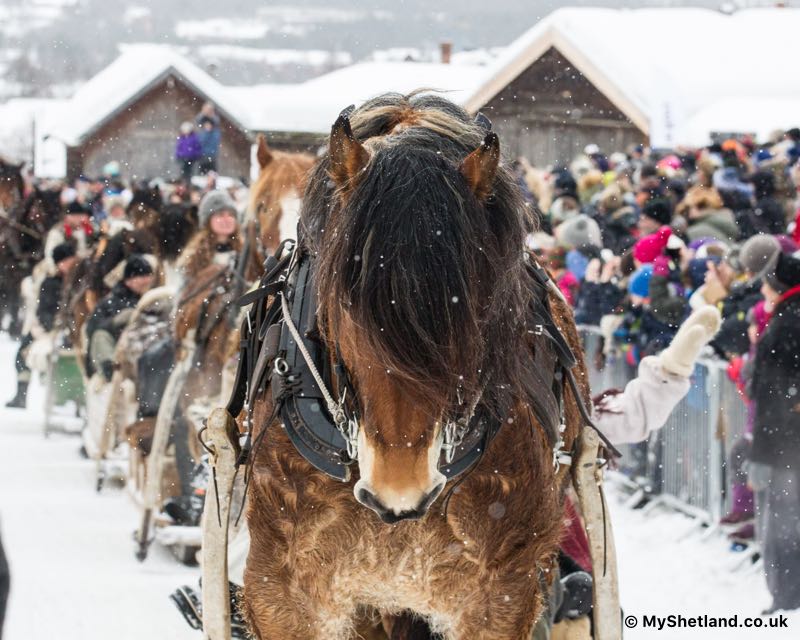
The horses were predominantly the Dølehest breed – a solid Norwegian draft horse.  I think, and I could be wrong, that there were also some North Swedish Horses too.

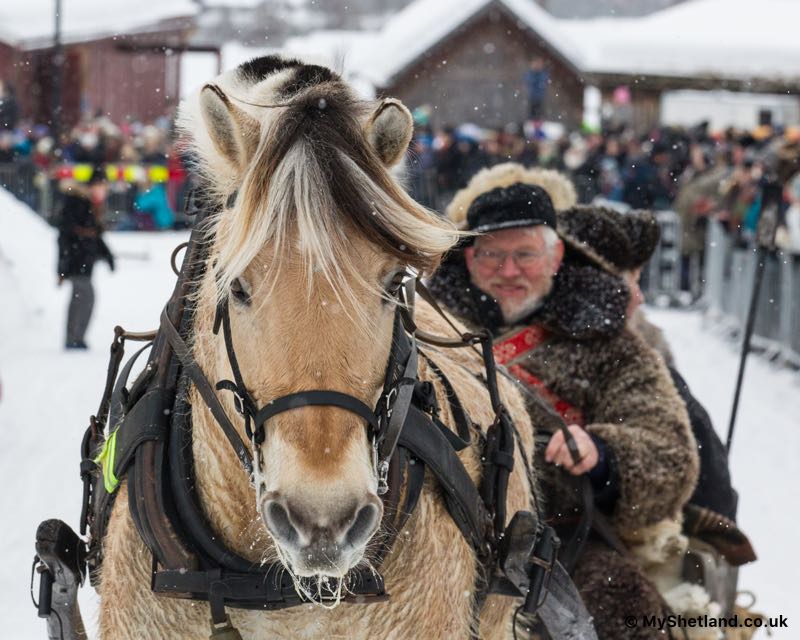
There were a few Fjord horses too (I always love a Fjord horse) with their traditionally cut manes.

The horses were all very well-behaved, worked hard and looked good.  They knew their job.

I love  this horse. He was happily helping himself to the hay in the sleigh in front of him!

This is the Norwegian version of Iacs!

So, there you are – the first photos of the horses and sleighs.  Magical, utterly magical.

Norway – Day 1

We’re back and where to begin – I really don’t know.  I think the best way is to describe it all is as it happened.

Day 1 – we sailed on the overnight boat, reached Aberdeen 07:00, taxi to airport, plane to Oslo, train to Hamar, hire car to Dalsbygda where we were staying a couple of nights.

A good night’s sleep and then off to Røros – a little mining town (for copper 1644 – 1977)

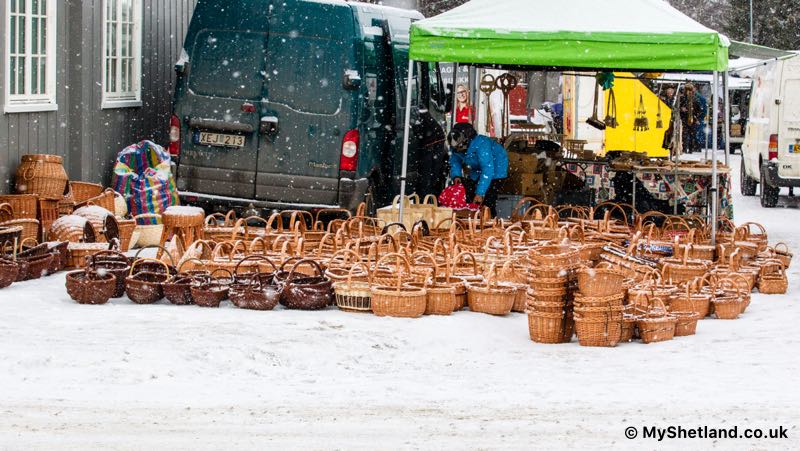
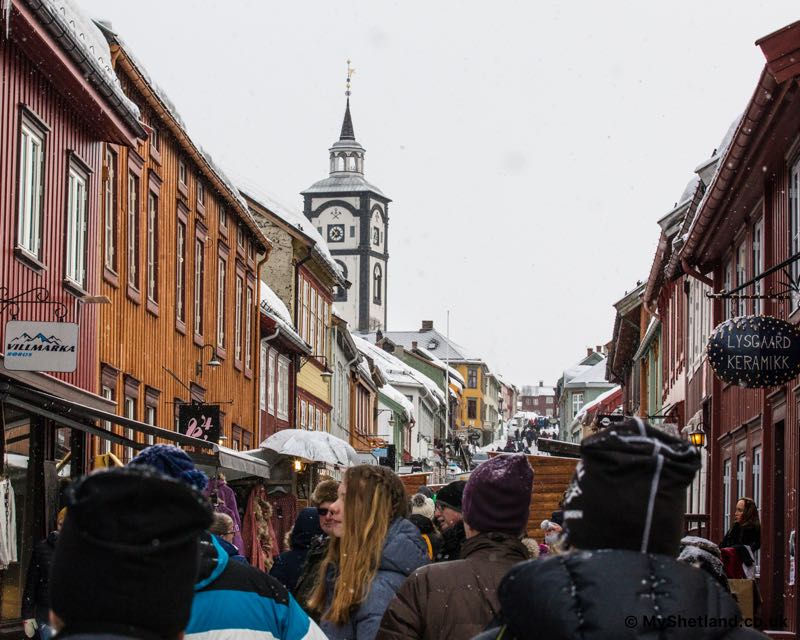
It was snowing lightly when we arrived and the stalls were setting up.

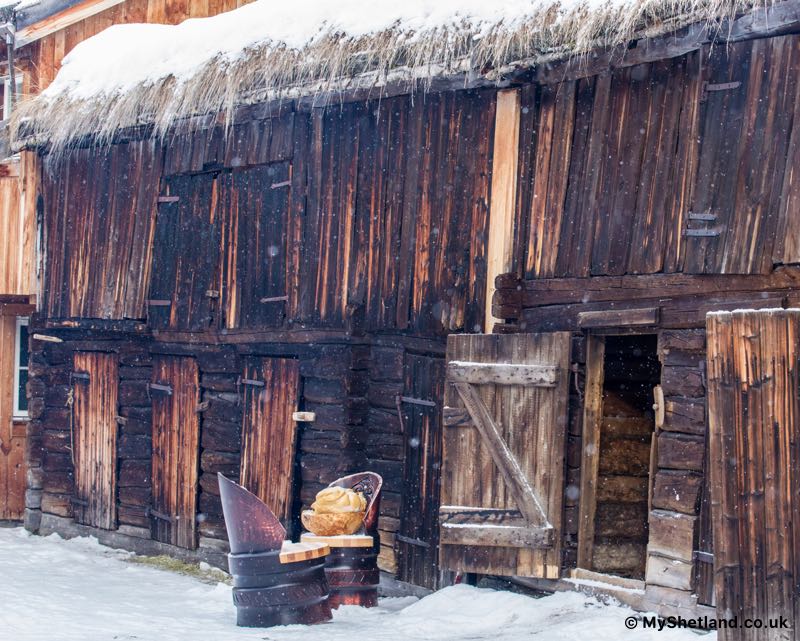
The buildings were beautiful.

“The modern-day inhabitants of Røros still work and live in the characteristic 17th and 18th century buildings which have led to its designation as a UNESCO World Heritage Site in 1980. Røros has about 80 wooden houses, most of them standing around courtyards. Many retain their dark pitch-log facades, giving the town a medieval appearance.” – Wikipedia

People were gathering for the opening ceremony.  We started at the bottom of the hill and walked up.

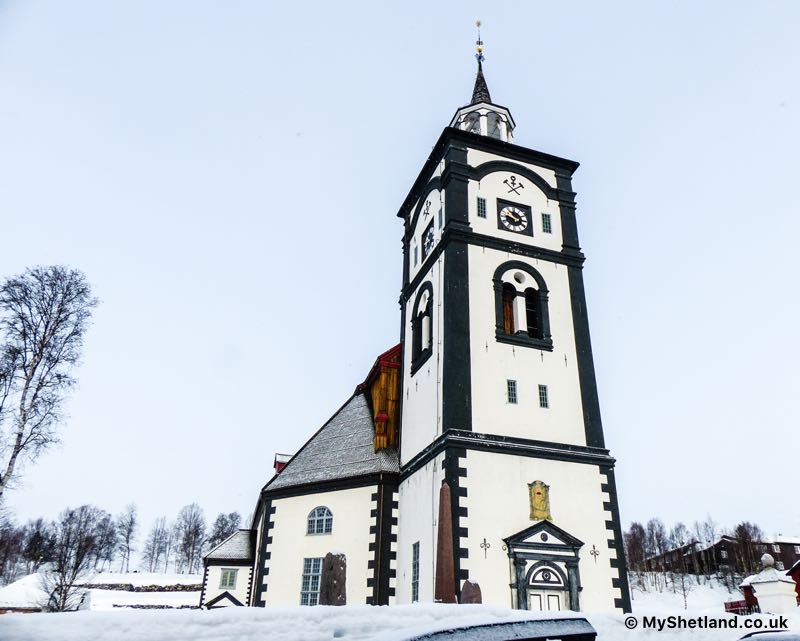
This is Røros church – apparently the 5th largest church in Norway and built in 1784.

We went inside the next day (photos then) and it was beautiful.

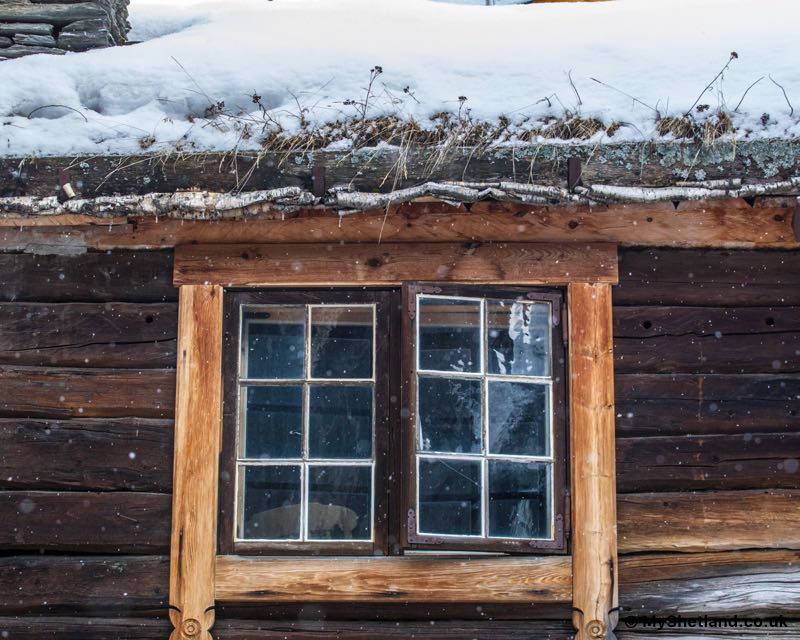
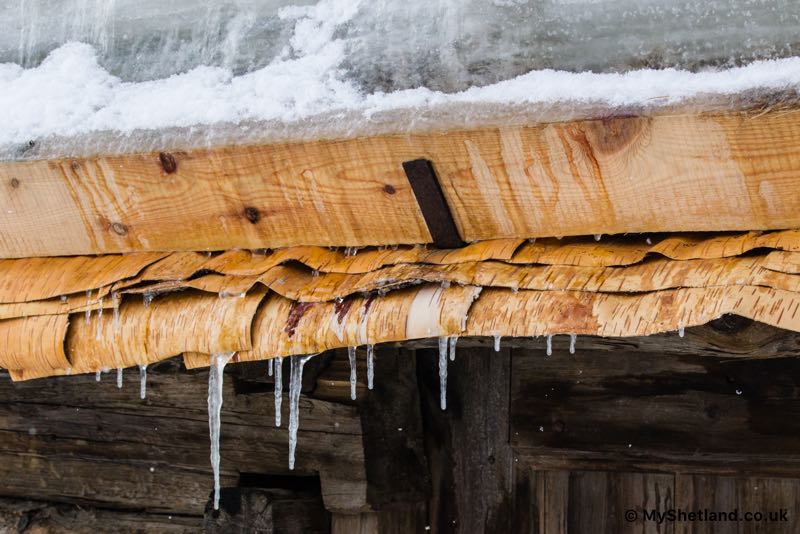
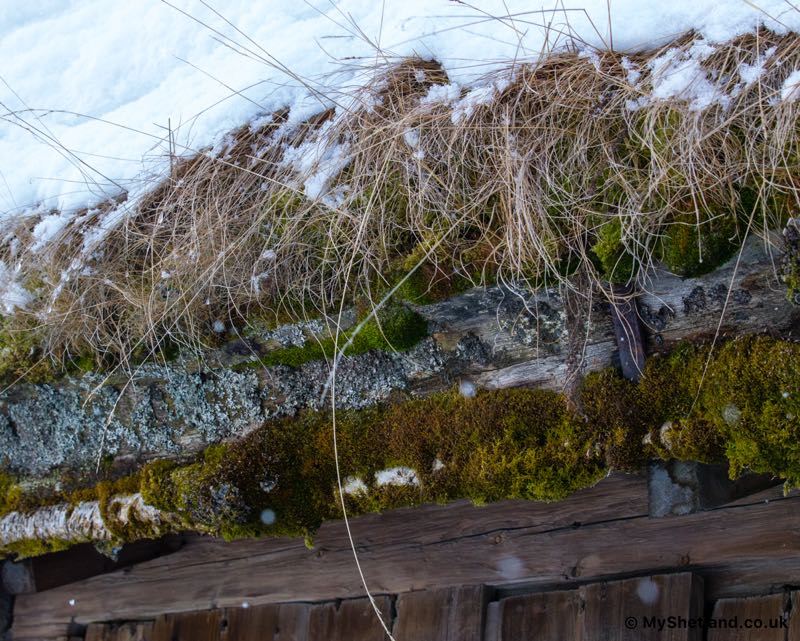
This is a typical traditional Norwegian “sod roof” or “torvtak”, ie turf roof.

The turf is efficient insulation whilst the birch bark underneath gives the waterproofing.

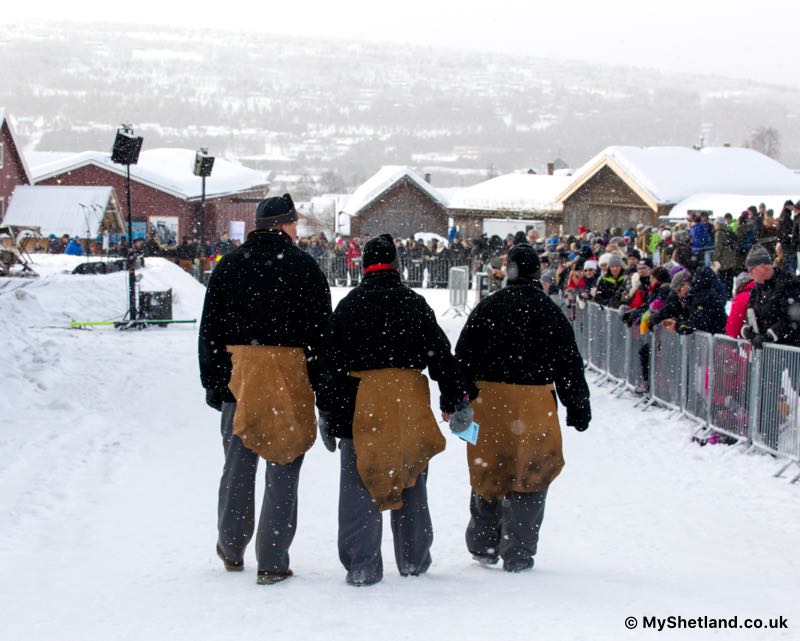
There were stewards ensuring everyone was where they should be.

We arrived early (an hour) to get a good spot for photos.

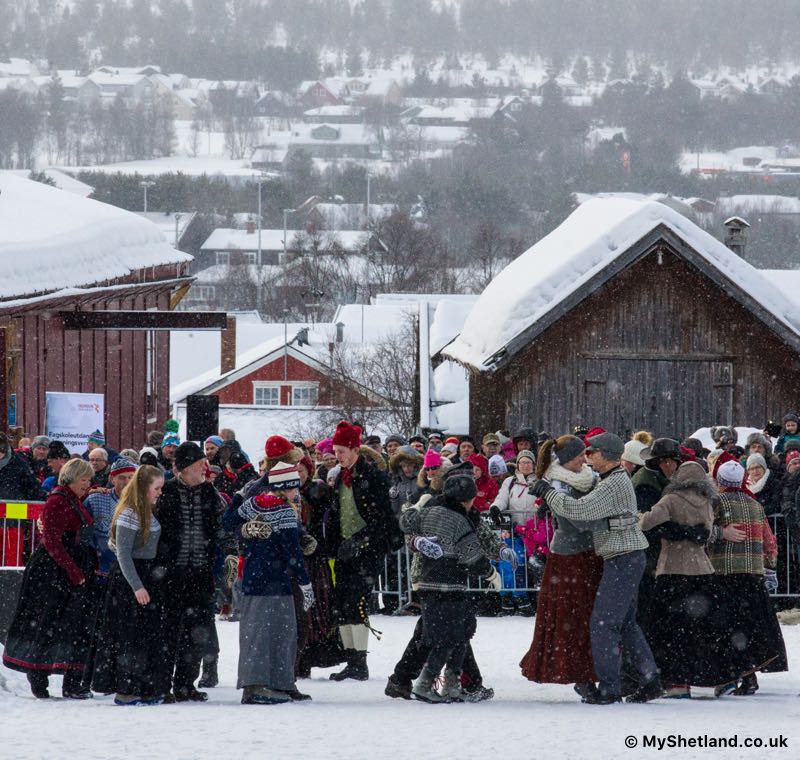
And then it started.  First music, some speeches, singing, drama and then wonderful dancing.

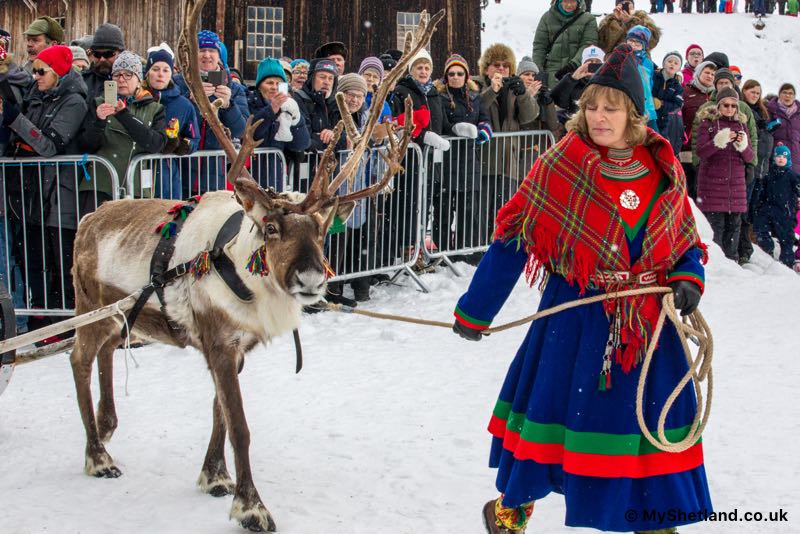
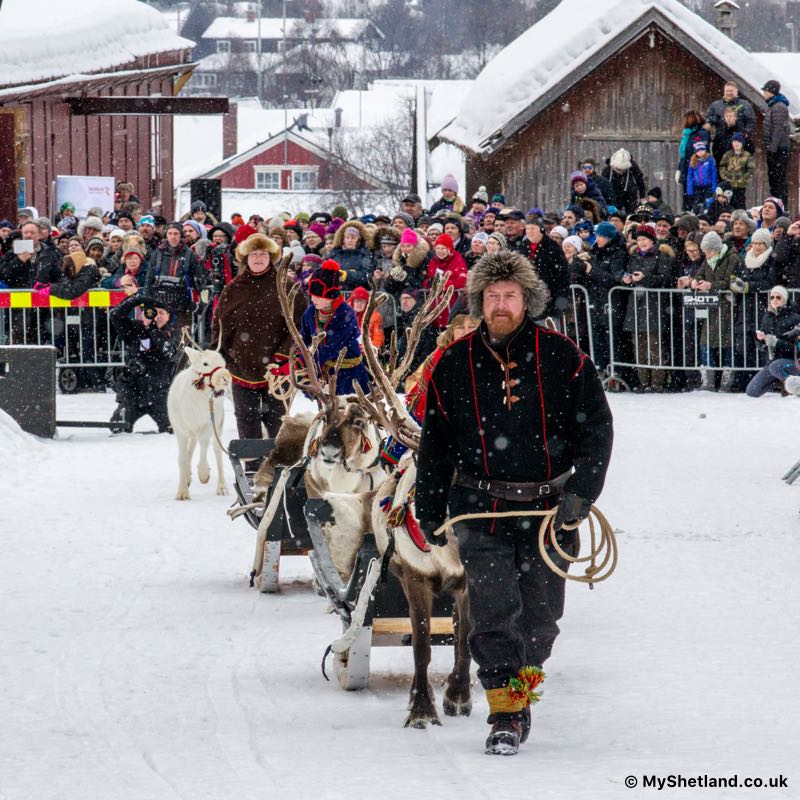
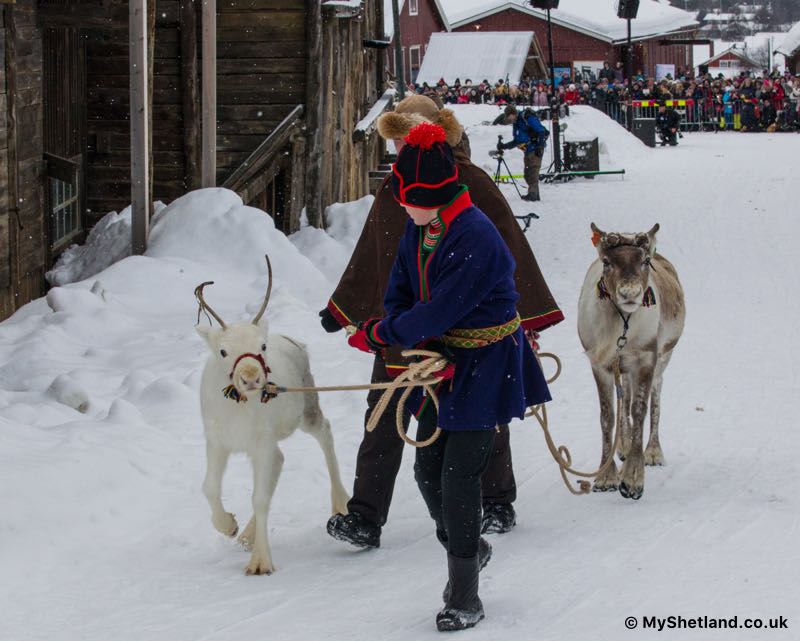
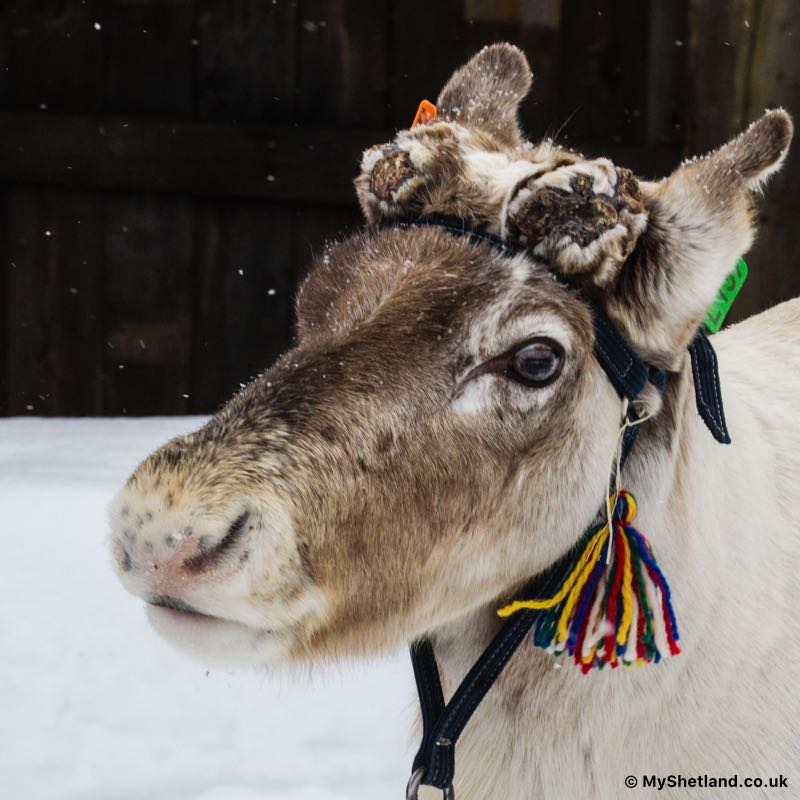
First up, were the reindeer pulling sledges with their Sami handlers.


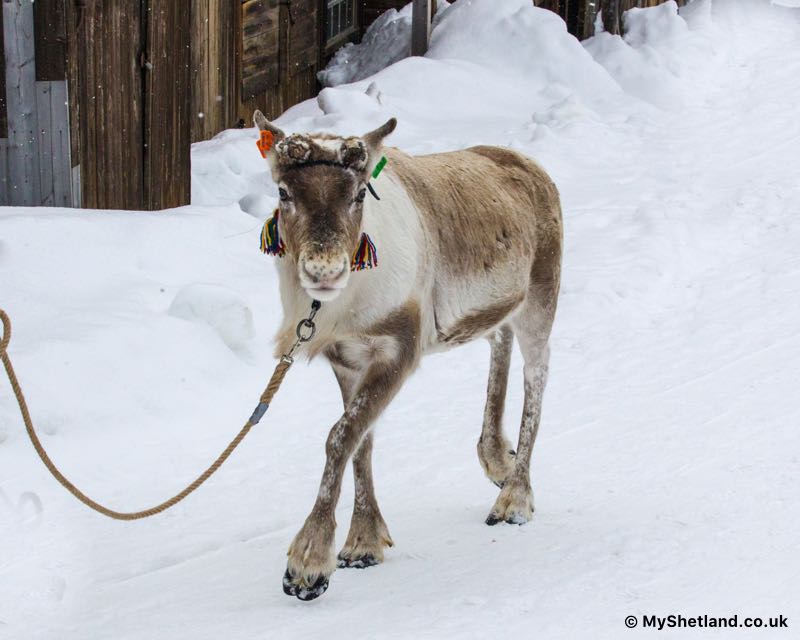
I am now rather in love with reindeer.

And then the horses arrived…….

to be continued……./

And huge thanks for Nick for holding the fort in my absence.  I told you he was good!

The Great Lakes

(Nick here, guest blogging while Frances is in Norway)

In case you were wondering, despite the title I haven’t been to Canada yet (I would love to go, but time and funds haven’t permitted to date). However we have our own great (small ‘g’) Lakes here in the UK, in the form of the Lake District National Park (green pin)

The highest mountain in England, Scafell Pike, is surrounded by glacial valleys leading off in all directions, forming a series of lakes, tarns, waters and meres, most of which have stunning mountain scenery as a backdrop. It’s an endless source of beautiful landscapes, so I go as often as I can. (In truth, there is only one ‘Lake’ that goes by that name – Bassenthwaite Lake, which is actually a man-made reservoir – most of the rest are meres, tarns, waters and reservoirs).

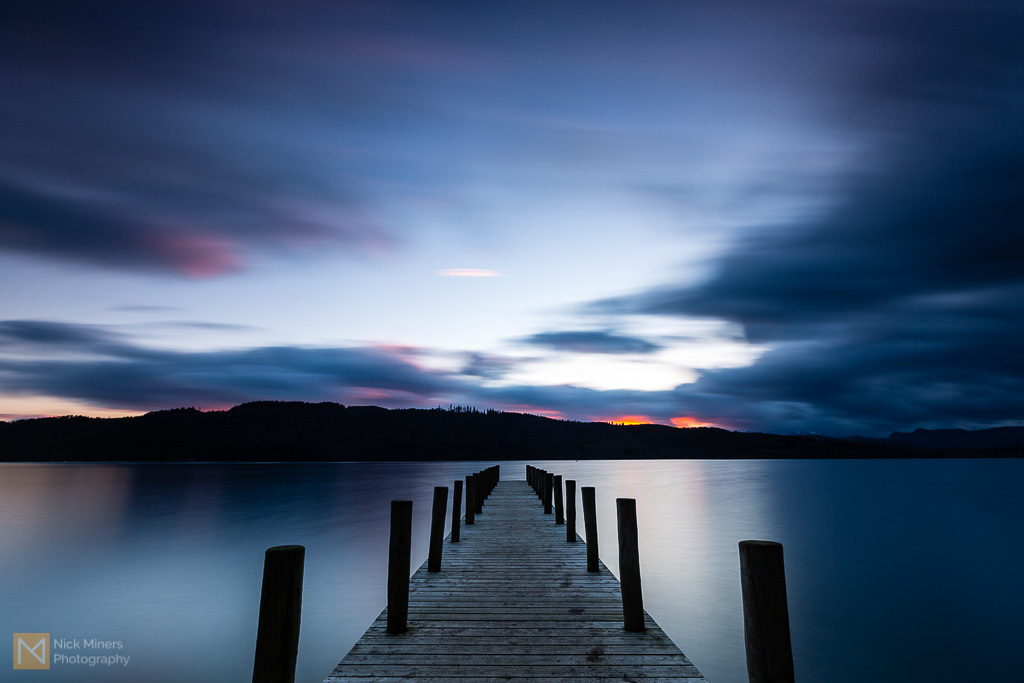
The largest of the lakes, and by far the most touristy is Windermere, which lies to the south and east of the region. I last visited Windermere with the family in April last year, and one evening I headed down to a jetty by the waterside that I had spotted on a walk earlier in the day, and took a gamble with a long exposure photo of the jetty, without a clue what I would see in the final photo. I knew there were a few stars, but I was not prepared for the layer of mist hanging over the water surface, or the orange glow from the other side of the lake (presumably from street lights).

I returned a few days later at sunset (once the cloud and rain that the area is famous for had cleared), now knowing just how photogenic the jetty was, and managed to catch the last of the orange light.
Not far from where we were staying is a small hill, Orrest Head, which was a pleasant if muddy climb, with lovely views over the lake, and the occasional Danny.

Towards the southern end of the lake, past the tourist hotspot of Bowness-on-Windermere, is another small hill called Gummer’s How. From the top of this peak the mist over the lake combined with the angle of the sun and created a surprising low rainbow hanging over the water surface,

Another popular area which is less touristy than Windemere is the town of Keswick, which sits on the banks of Derwentwater in the northern end of the national park. Castlerigg Stone Circle is just a short drive (or walk if you are so inclined) from Keswick, and sometimes if you get there early enough. you can catch an inversion layer where mist hangs over the Naddle Beck valley behind.

Later that same morning we headed to the lakeside in Keswick itself, as the mist was just starting to burn off the lake surface.

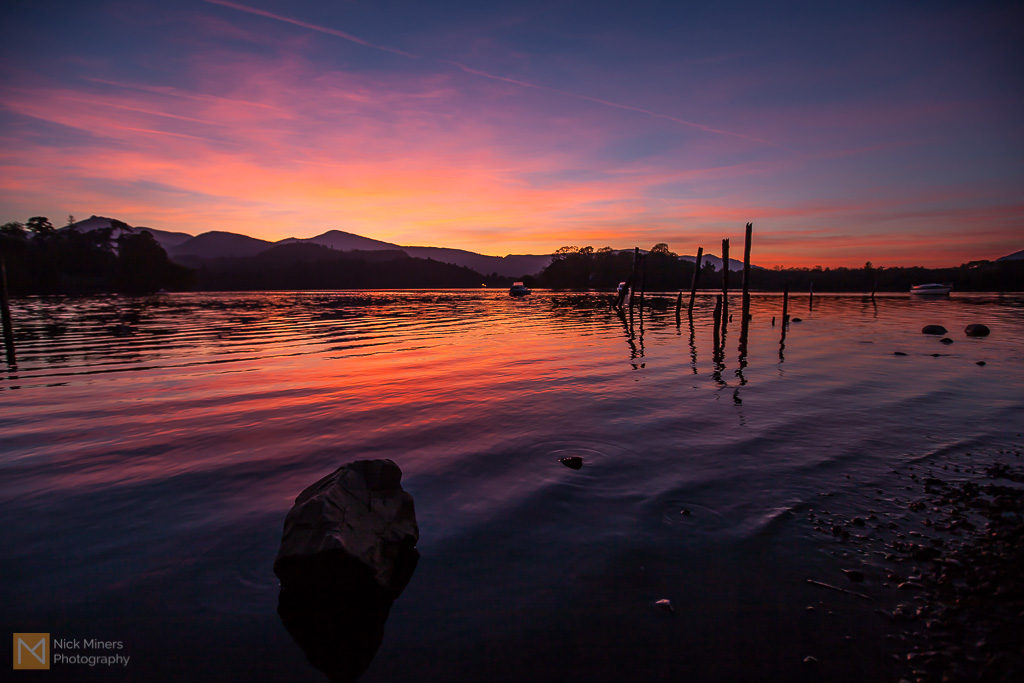
As Keswick sits on the eastern bank of Derwentwater, the sunset from the waters edge can be pretty special too. Even Danny enjoys having a good paddle when the sky is putting on a show.

On the same side of the lake as Keswick, but further south, there is Ashness Bridge, a small humpback bridge with a set of cascading waterfalls flowing underneath. It’s a fair way up a steep slope, so from the viewpoint near the car park you can look out over the whole of Derwentwater far below.
If you continue west from Keswick you get to Braithwaite, from where you can take a road through Keskadale down to Buttermere, with the famous Buttermere Pines at the southern end of the lake. I took this route early one morning, leaving while it was still dark, and catching the first hints of colour in the sky over the valley before the full light of the sun hit the Buttermere pines an hour or so later.

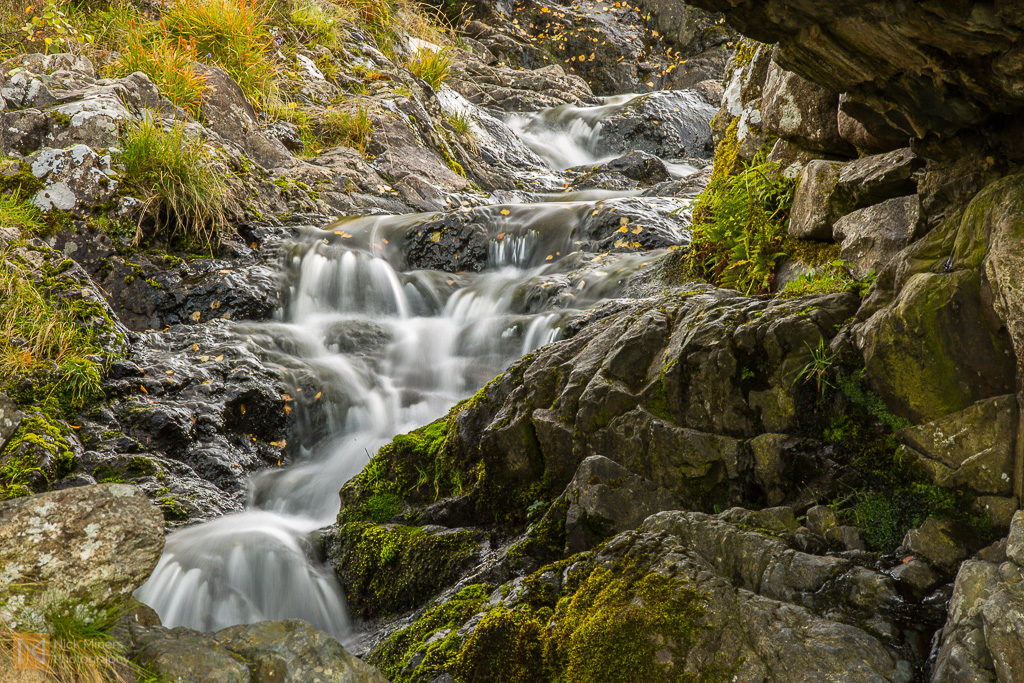
Half way through the dale is Moss Force, a waterfall tumbling down the back of Buttermere Fell that is an easy walk from the road.

The sheer variety of scenery in such a relatively small area is what keeps drawing me back to the Lake District time and time again, and more recently, I’ve enjoyed hiking up the many challenging fells that may not be as tall as what you can find in Iceland, but the views from the top are unbeatable.

..And East a Bit

(Nick here, guest blogging while Frances is in Norway)

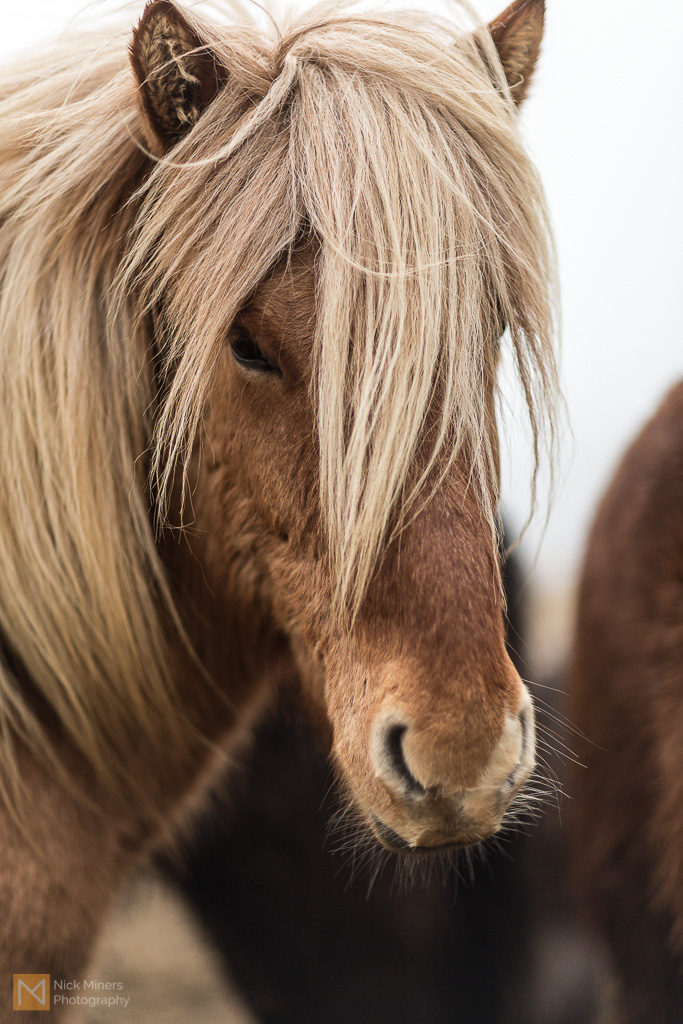
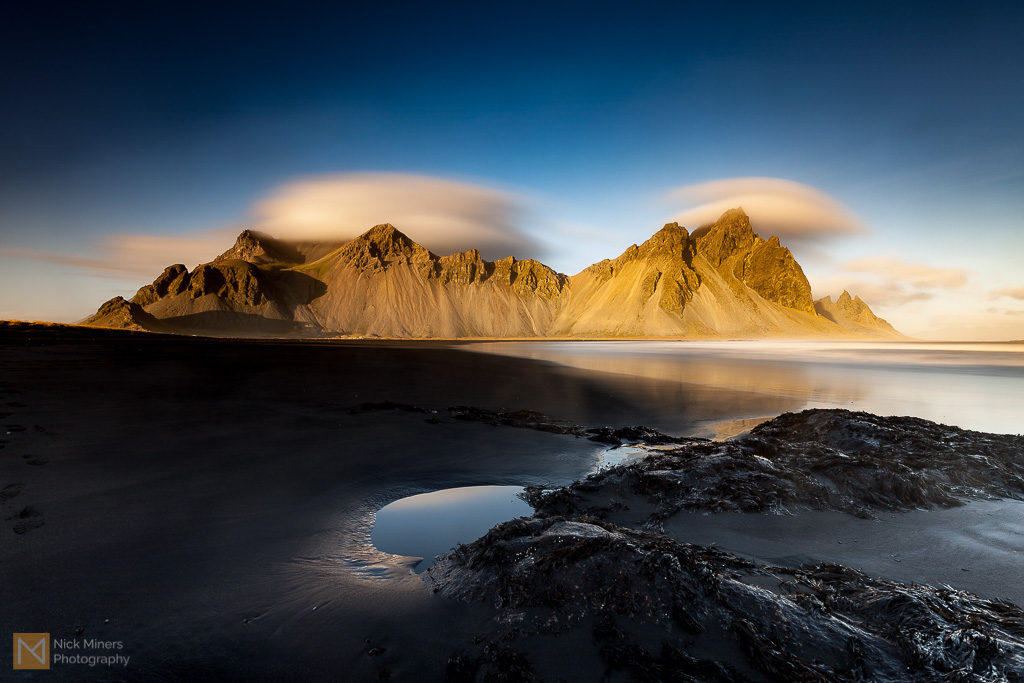
Following on from yesterday’s post where I ended up with a photo of the iceberg lagoon with no icebergs, we headed back east the following day to a place called Stokksnes. There is a beach at the end of the peninsula at Stokksnes with black sand dunes and a view across the wide flat beach to the mountain Vestrahorn – it’s one of Iceland’s iconic sights, and we were hoping for a spectacular view. On the way we passed this fellow, who I feel obliged to mention given the usual topics posted on this blog.

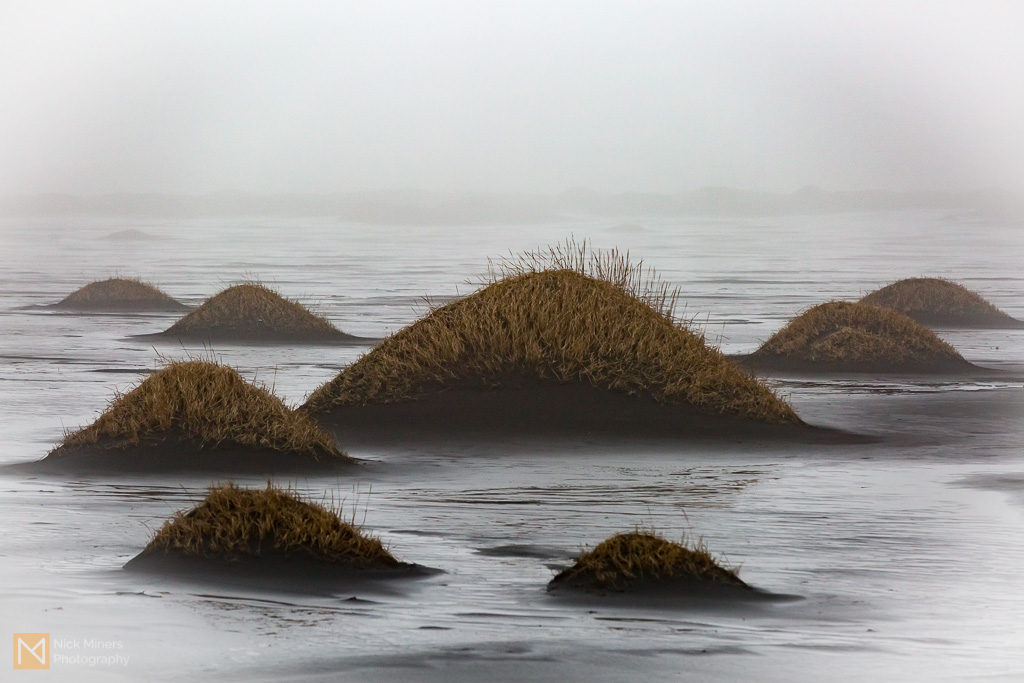
Once we arrived at Stokksnes, the weather wasn’t looking co-operative. Another group of photographers were already there, including Canadian landscape photographer Ken Kaminesky, who said it had been like this all morning and didn’t look like changing all day. So we did the best with what he had. This is a shot of the unusual looking sand dunes:

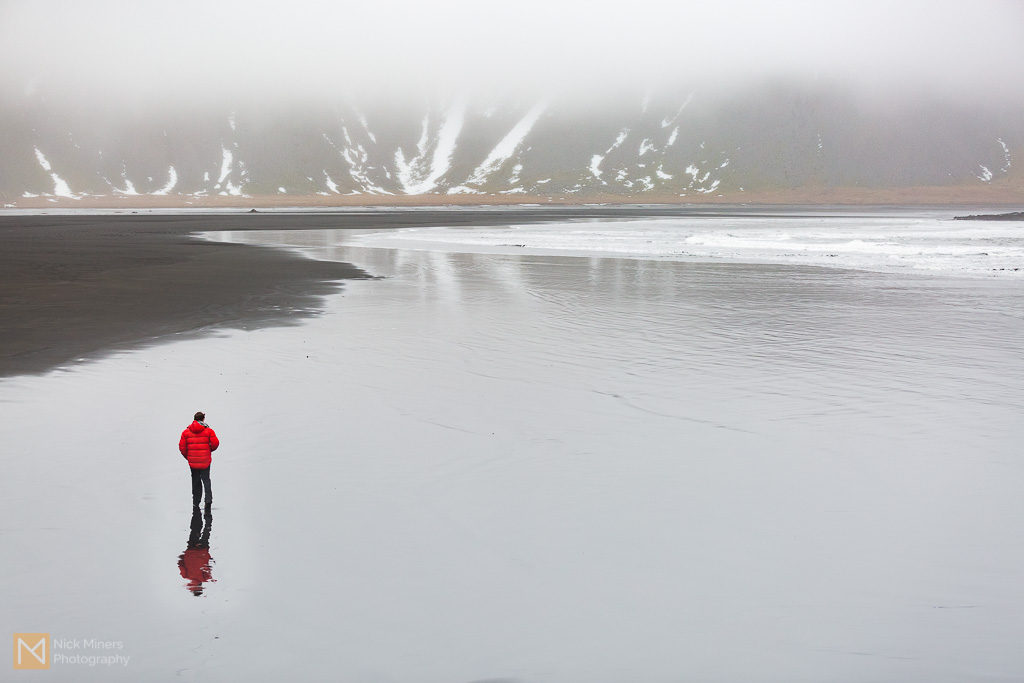
And the ‘spectacular’ view that was hidden by cloud still looked wonderfully moody.

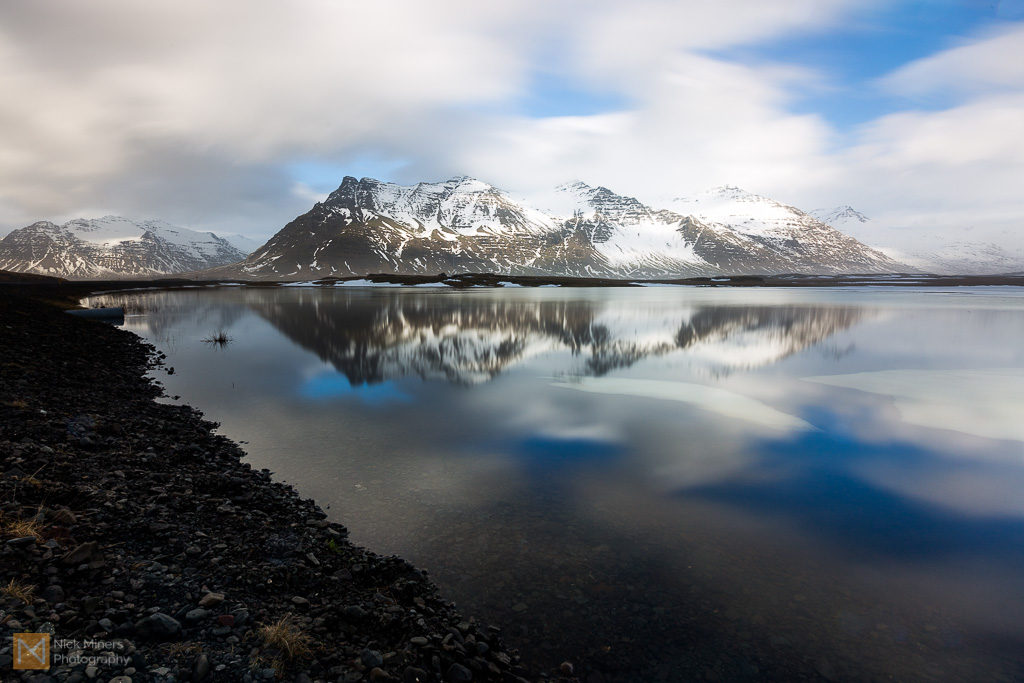
Heading back west, we stopped at a place where the weather had cleared somewhat, and the lack of wind gave us some beautiful glassy reflective water surfaces

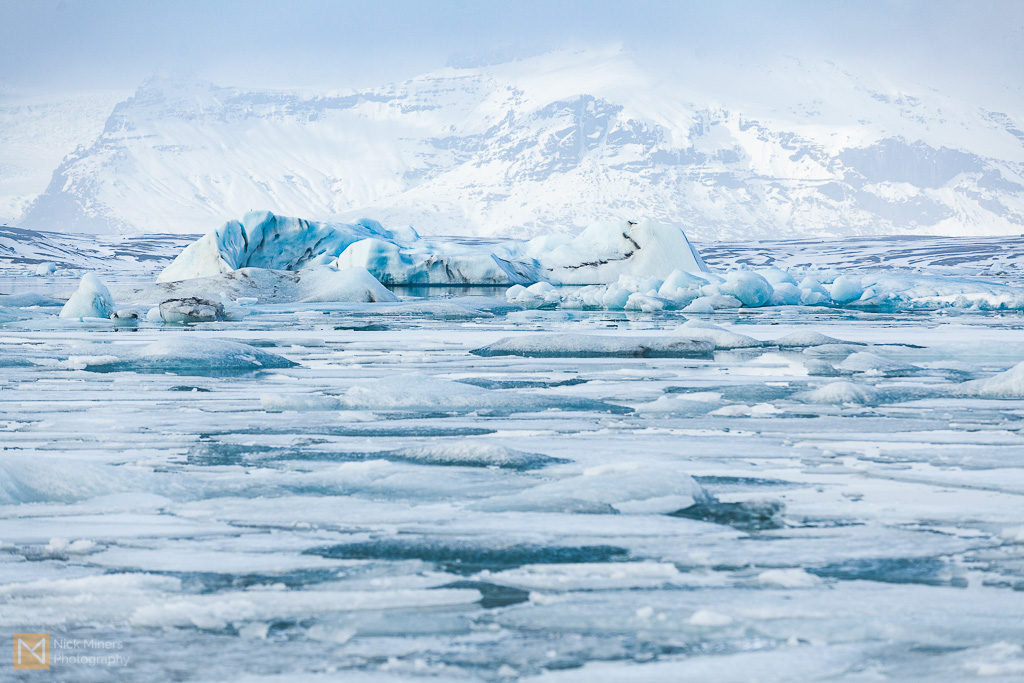
Arriving back at Jökulsárlón, the lake was so crammed with icebergs you could barely see the water for the ice.

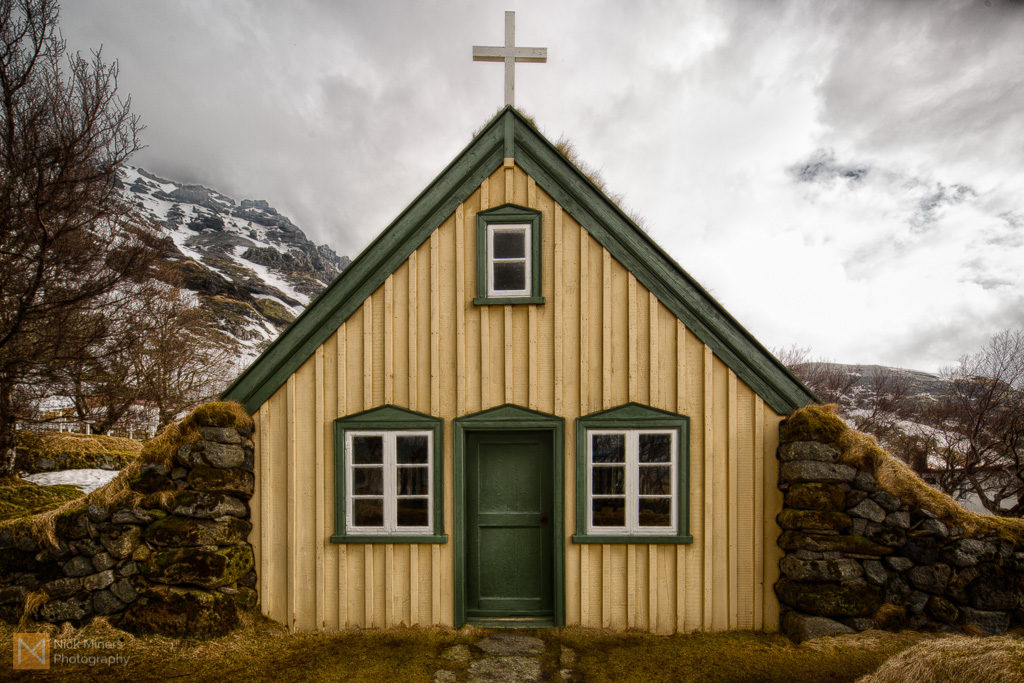
Further round the ring road, the oldest still used turf roofed church in Iceland, in a small village called Hof, is another oft-photographed landmark

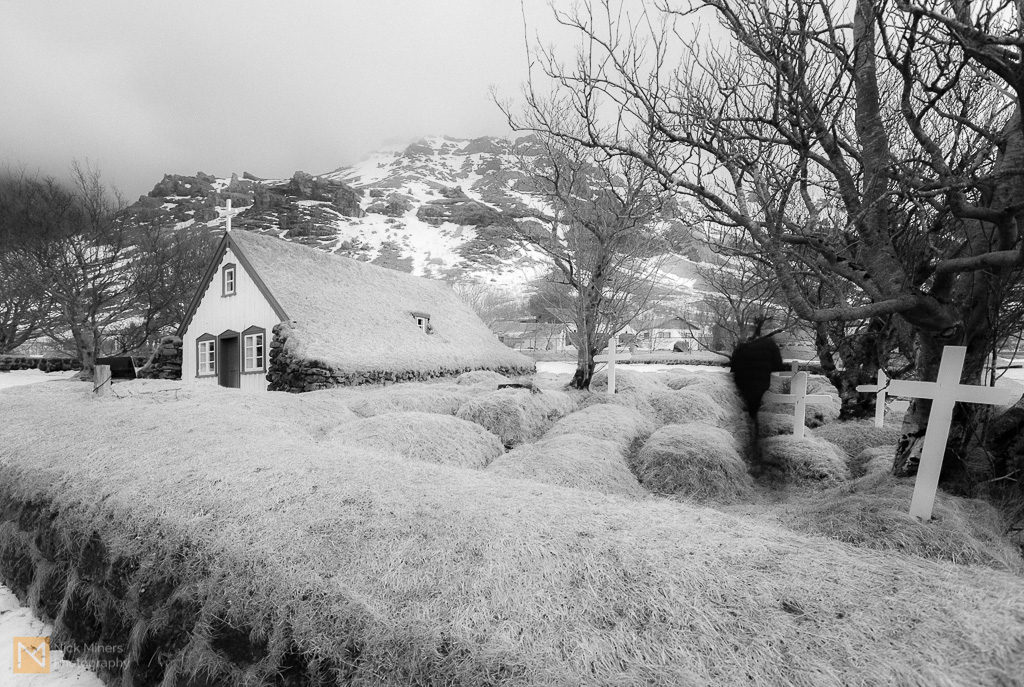
I couldn’t resist the urge to do some special effects photography, so used my long exposure filter again to create a ‘ghost’ in the moss-filled graveyard

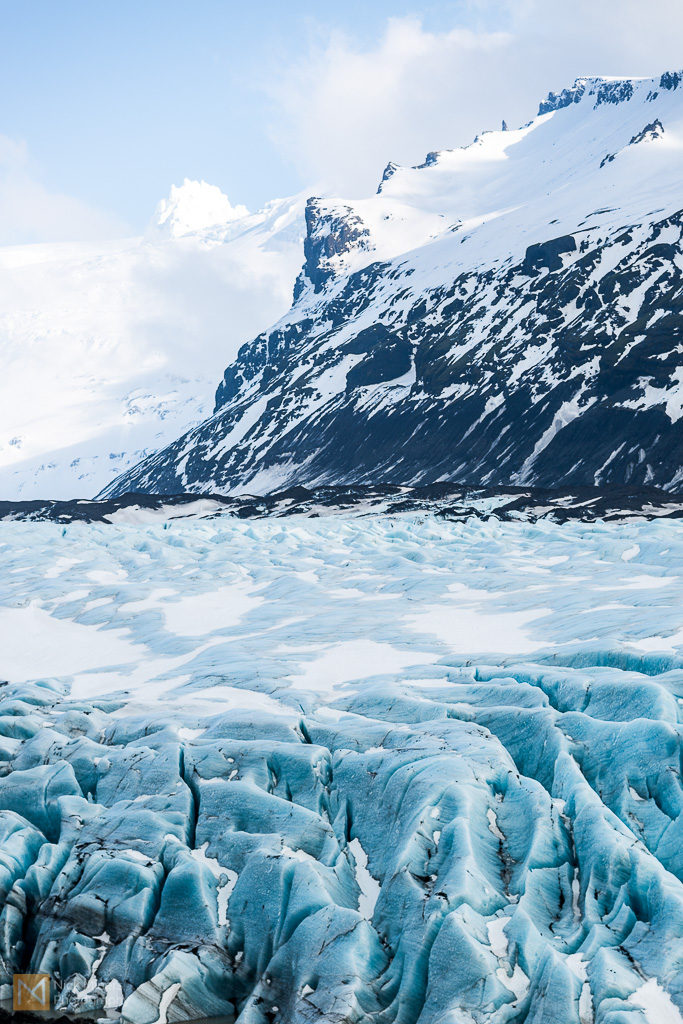
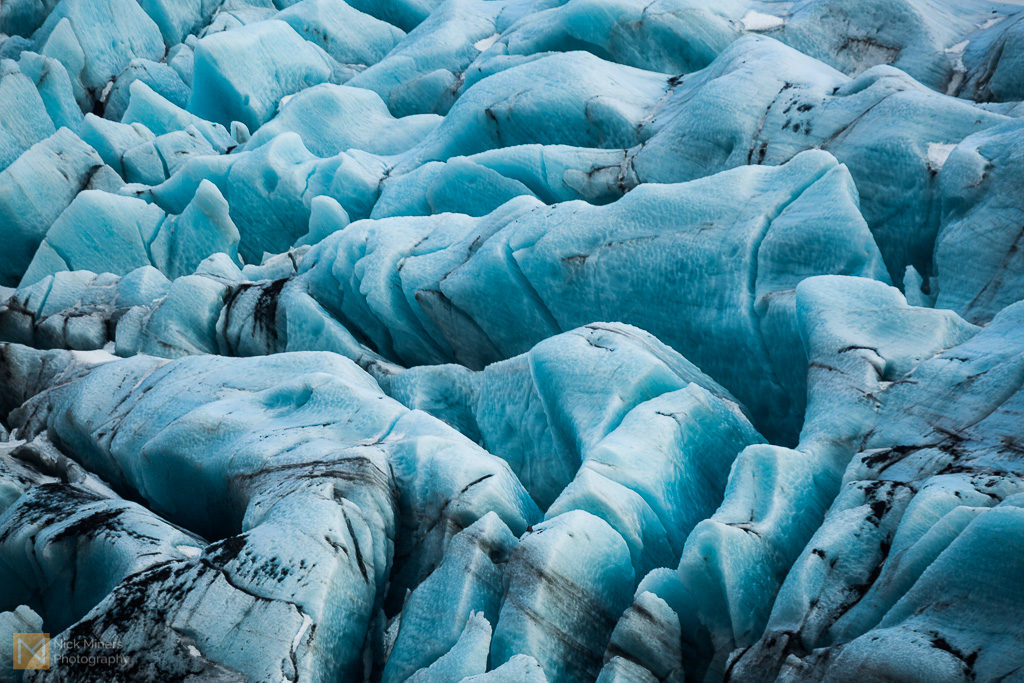
A little further on from Hof is one of the many outflow glaciers connected to Vatnajökull, Iceland’s largest ice cap. Here at Svínafellsjökull there is a rough footpath that leads up the side of the glacier allowing you to look down onto the stunning blue/green ice as it creaks and groans its way to the coast.

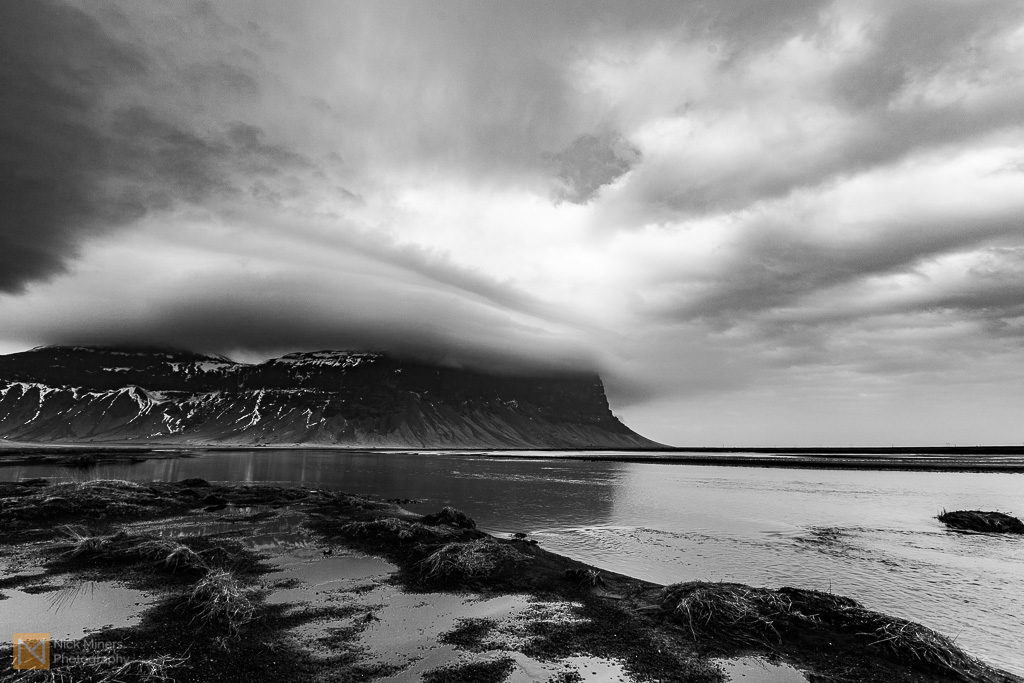
One final stop before our hotel was at the huge cliff of Lómagnúpur. This vast inland cliff is so tall that clouds were forming at the summit, creating beautiful shapes.

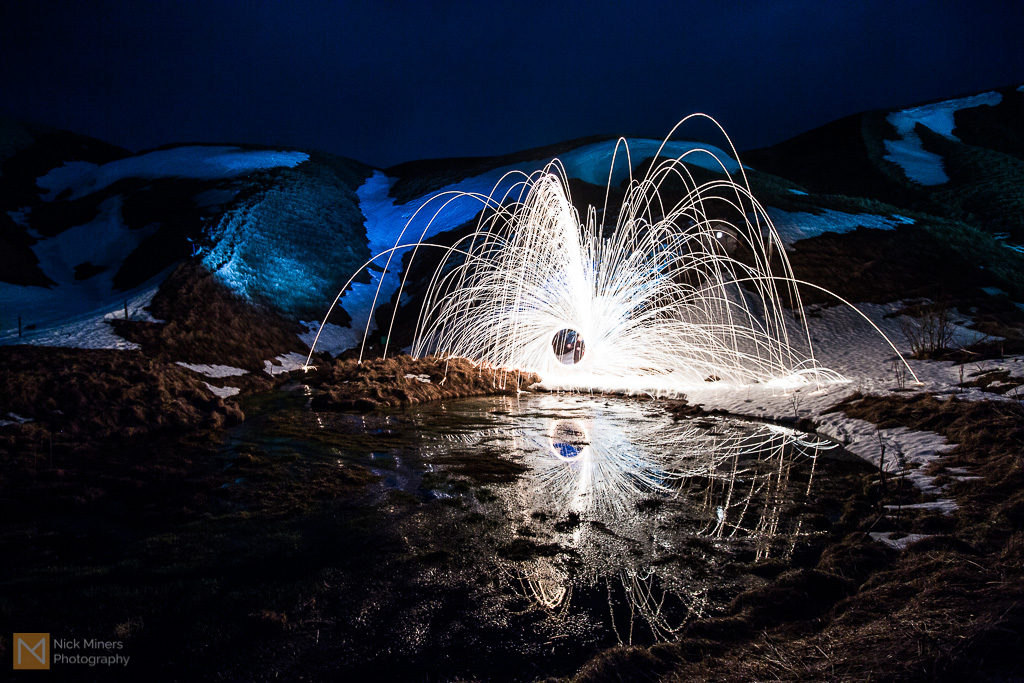
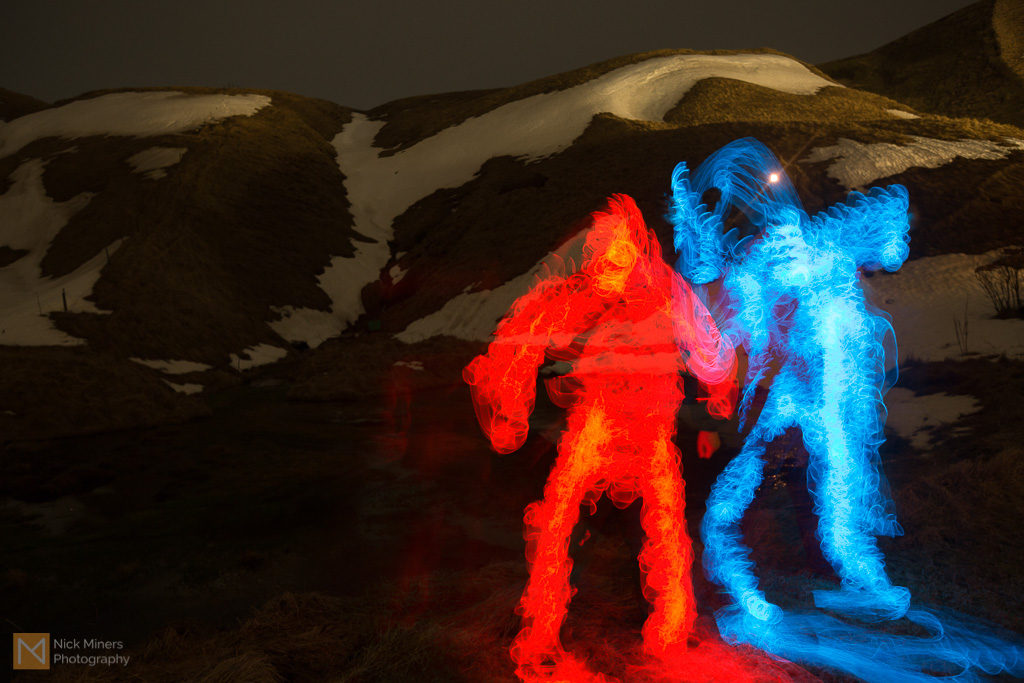
That night we stayed at a hotel near the town of Vík, which is at Iceland’s most southerly point. One of the photographers with us had brought some wire wool and other fancy LED based equipment which allowed us to create some fun special effects photography out the back of the hotel.

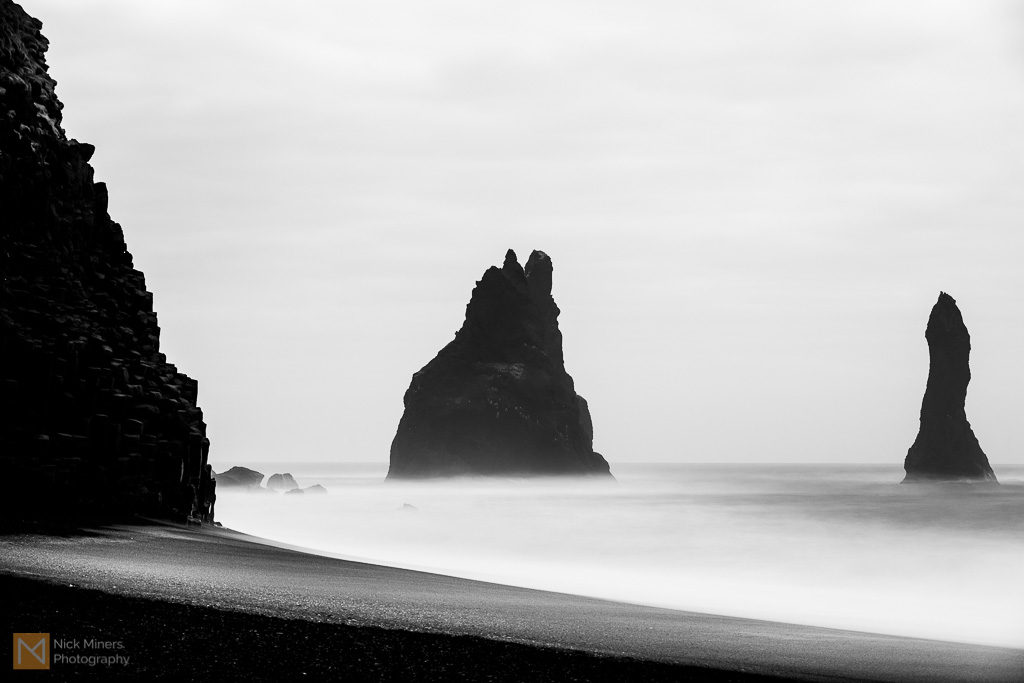
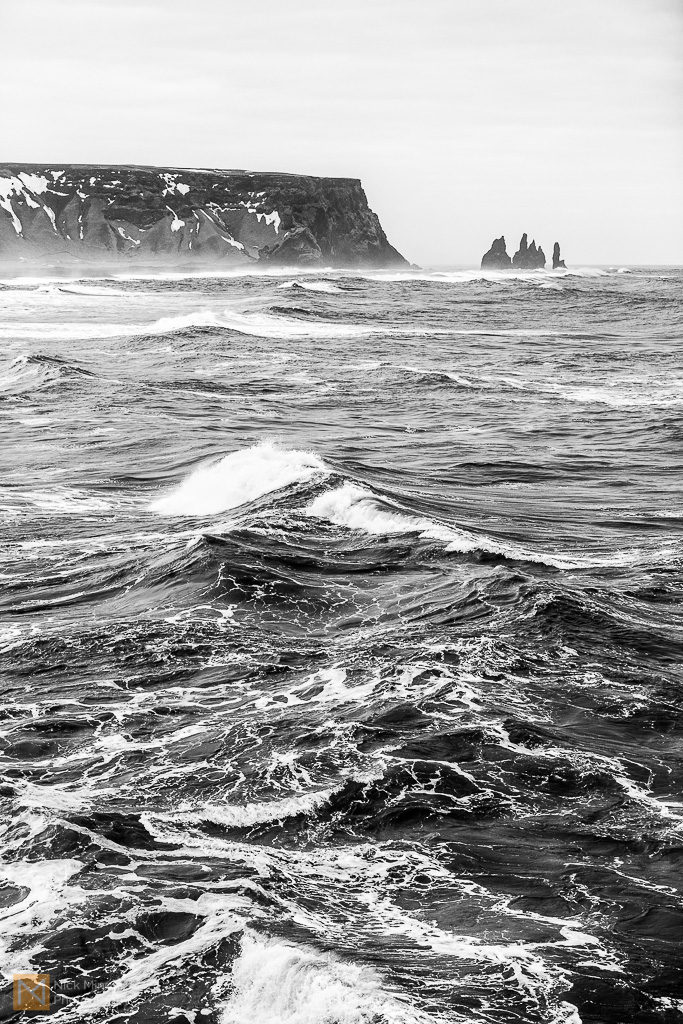
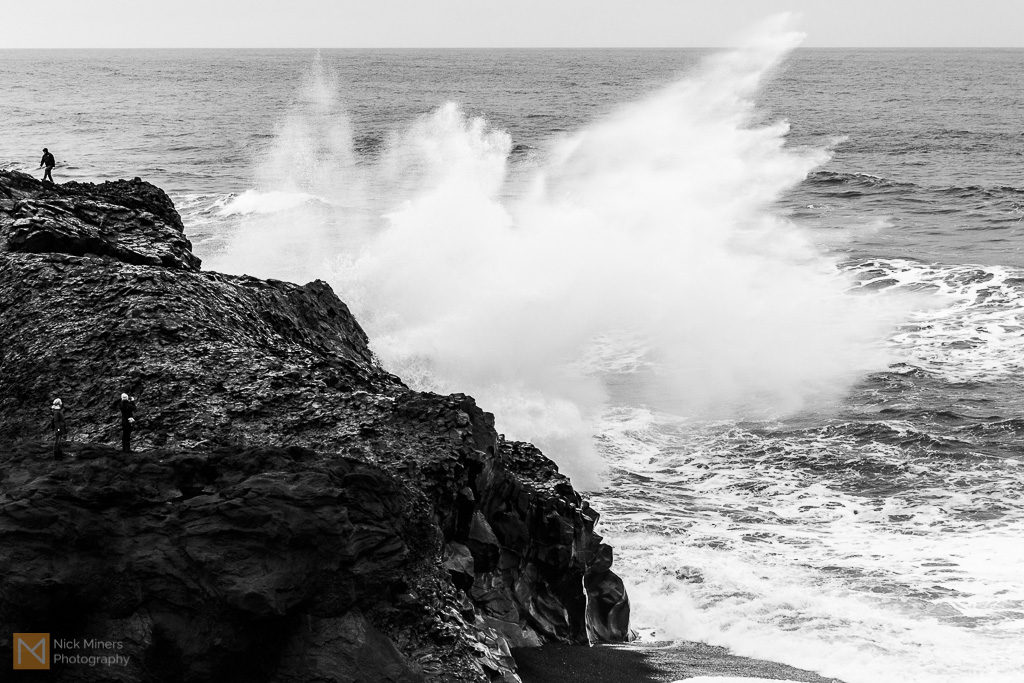
The next day was our final day of shooting, so we headed down to the beaches at Reynisfjara and Kirkjufjara where the sea was wonderfully active (and as we were warned, lethally dangerous) so we had to keep an eye on it at all times. The sea stacks of Reynisdrangar created a dramatic backdrop to some atmospheric seascapes.

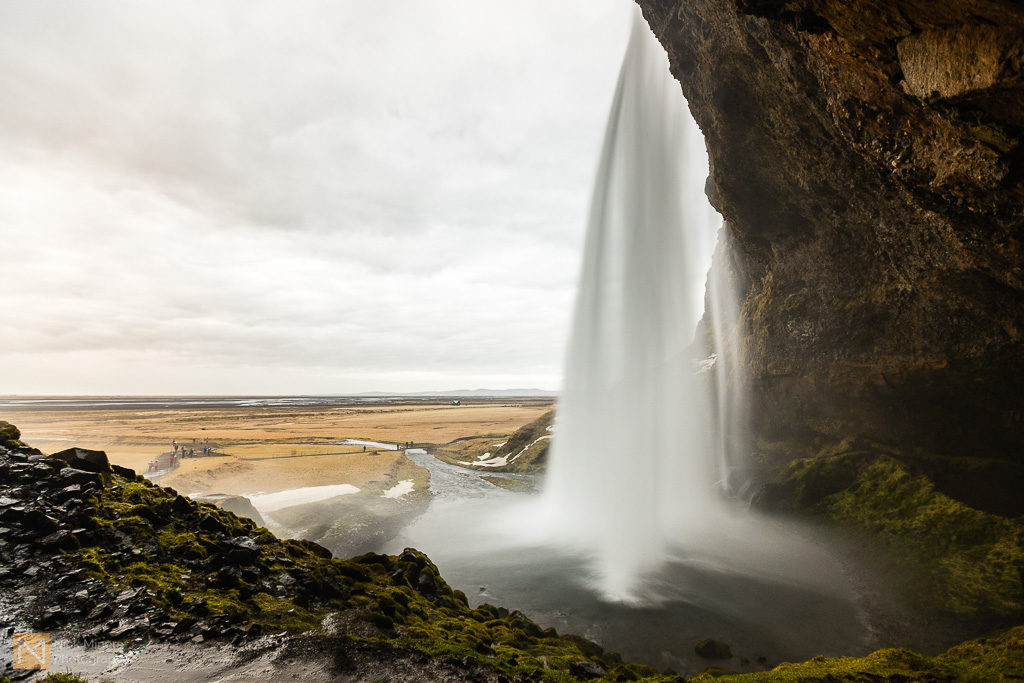
The popular waterfall Seljalandsfoss has a footpath that allows you to walk through the cave behind the cascade and shoot through the water. You have to be careful not to allow your equipment to get too wet, but the views are worth the risk!

We stayed the night in Reykjavík again after a delicious meal at a steak restaurant in Hafnarfjörður with Siggi and his wife Súsanna, then flew back home the next day, safe in the knowledge that we all had made some new friends.

I did manage to return to the beach at Stokksnes in November, on a solo trip where I was photographing one of the bands at the music festival Iceland Airwaves, and stayed on a few more days after the festival ended. I was, I have to say, rather lucky with conditions, and it was particularly pleasing to be able to get this shot for my trouble.

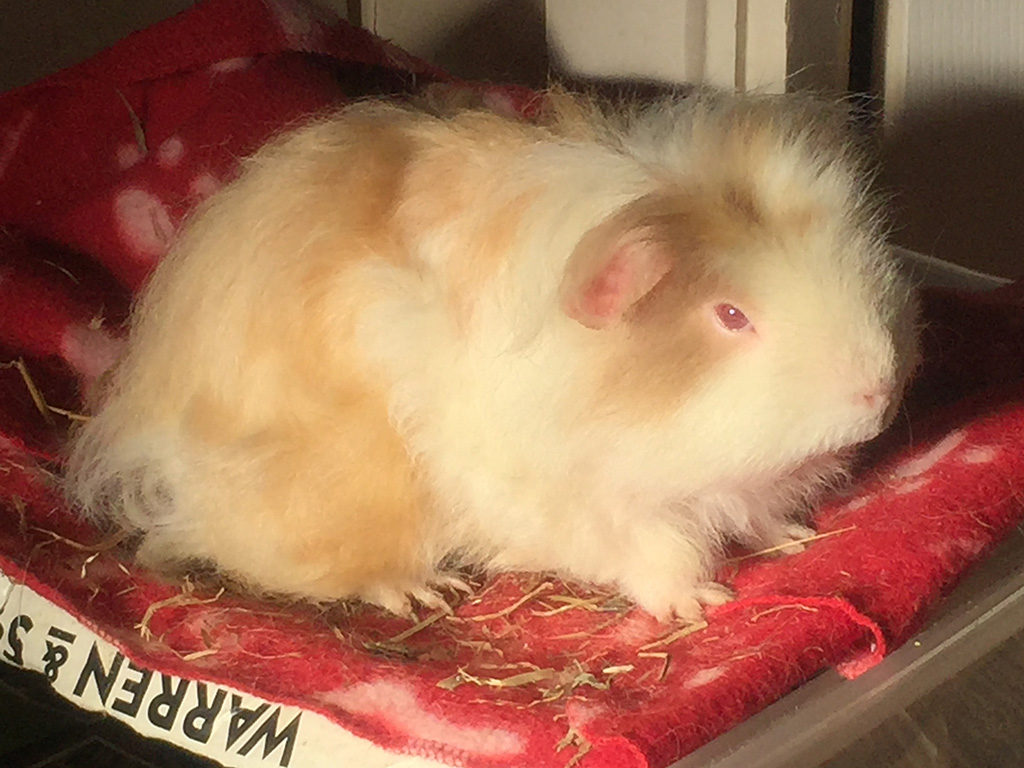
Finally, to please those of you who come here for the animals, here’s a photo of Fergus who was sunbathing this morning when I came down for breakfast.

Wheek!

Further North

(Nick here, guest blogging while Frances is in Norway)

The trip to Lewis and Harris wasn’t the first time I have been on a tour with the Guild of Photographers. They operate several, to various locations throughout Europe, and the first one they invited me to was (not surprisingly, for those who know me) Iceland.

In March last year we spent a week exploring the south coast of Iceland, starting with a couple of days in Reykjavík before heading out east along the coast, with our brilliant, hilarious guide, Siggi. You can see what he thinks of photographers in this wonderful YouTube video he showed us when we were there:

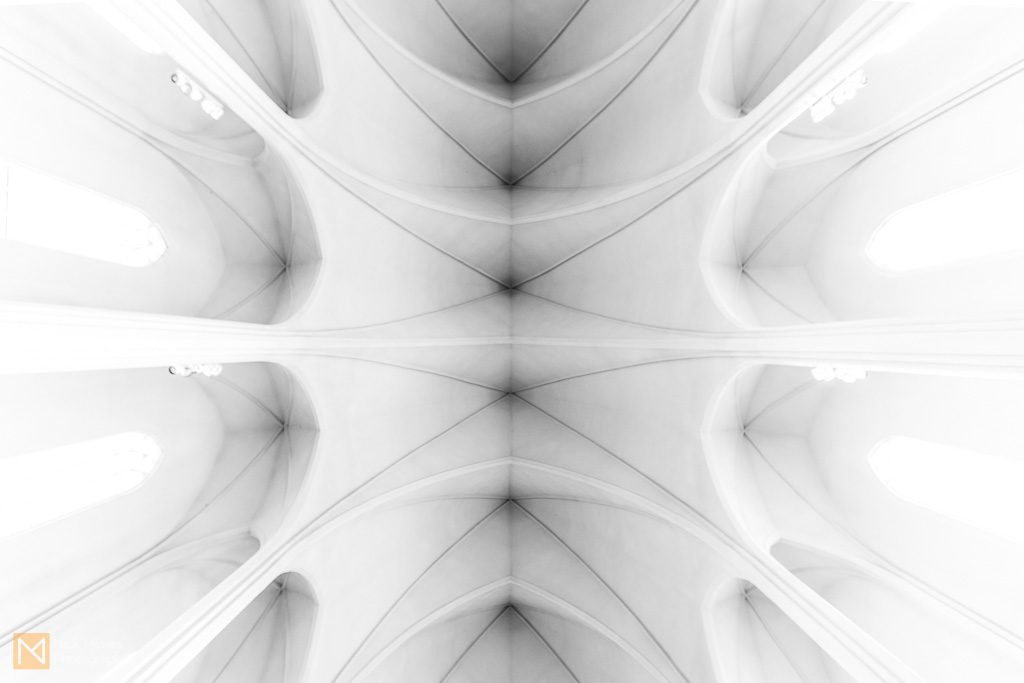
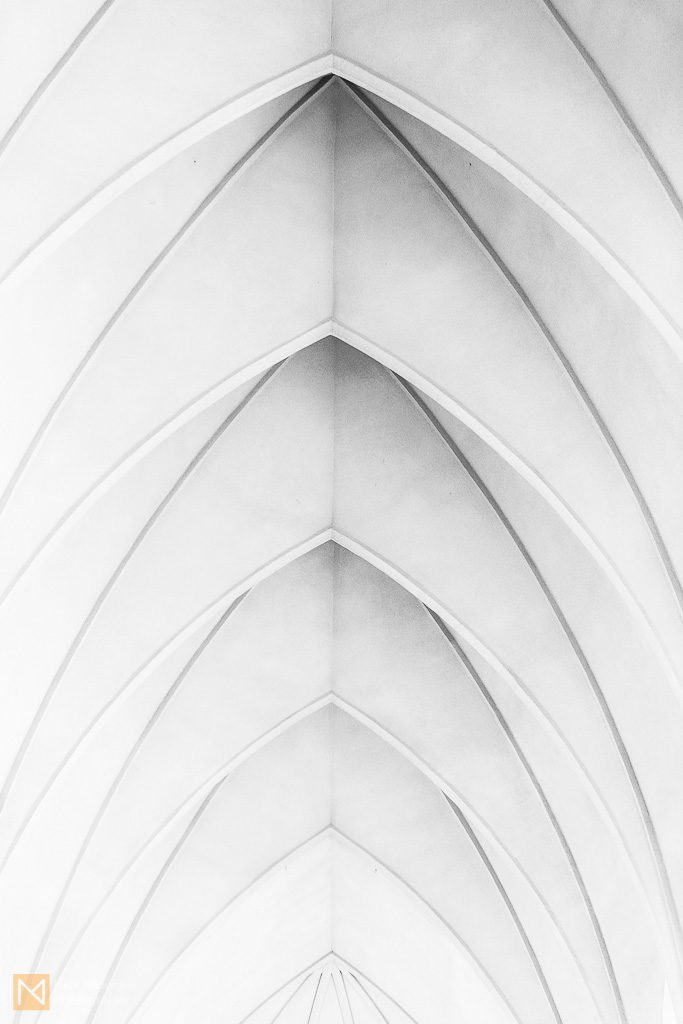
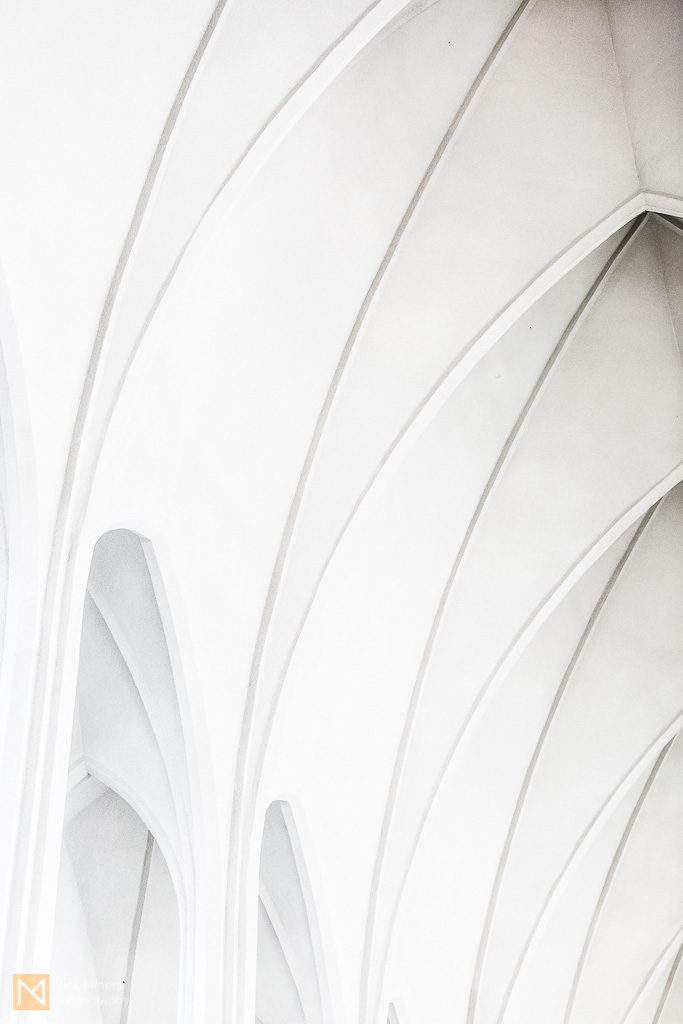
Anyway, we started with a walking tour of Reykjavík, taking in the varying architecture and sea views, including the beautiful Hallgrímskirkja (Hallgrimur’s church) that sits on a hill in the centre of town. with its pure white vaulted ceiling.

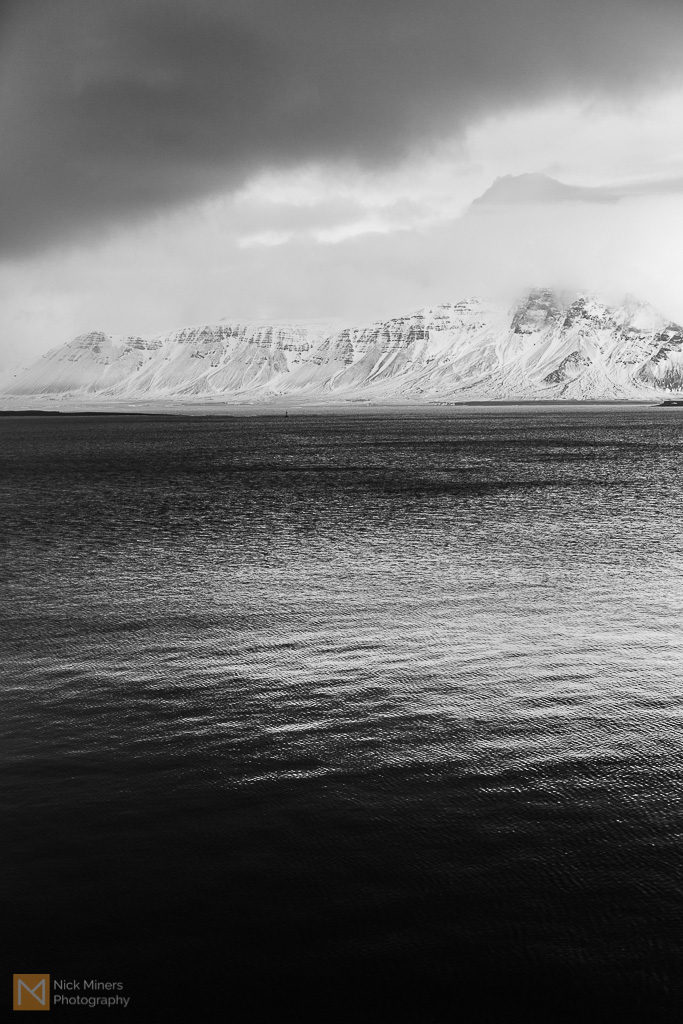
When we reached the sea, the mountain across the bay was peeking through low cloud, with snow covered craggy slopes showing through.

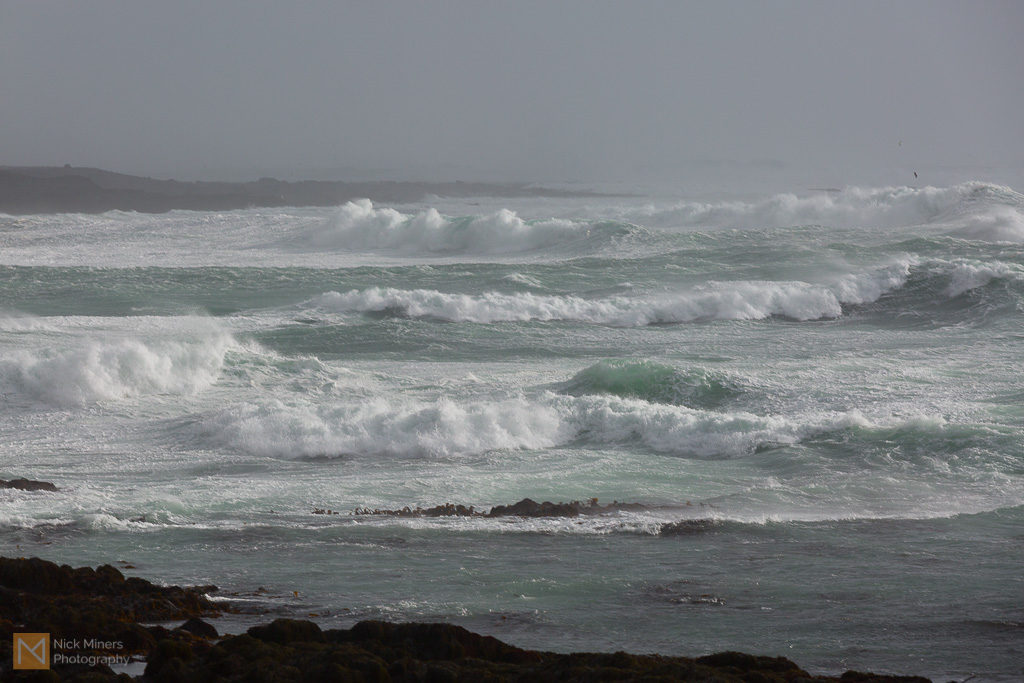
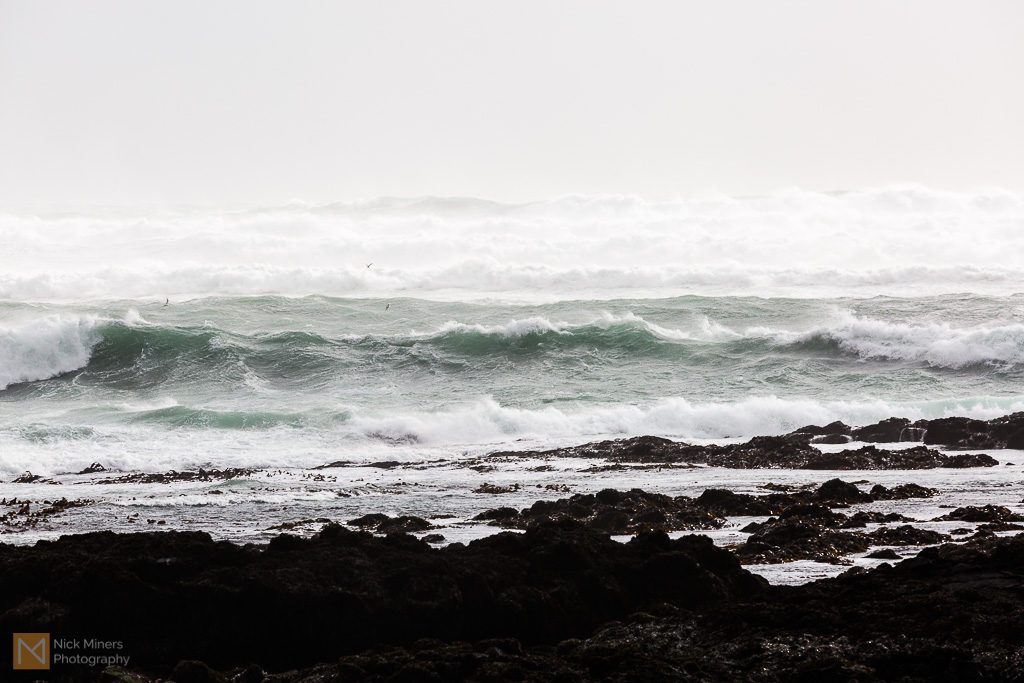
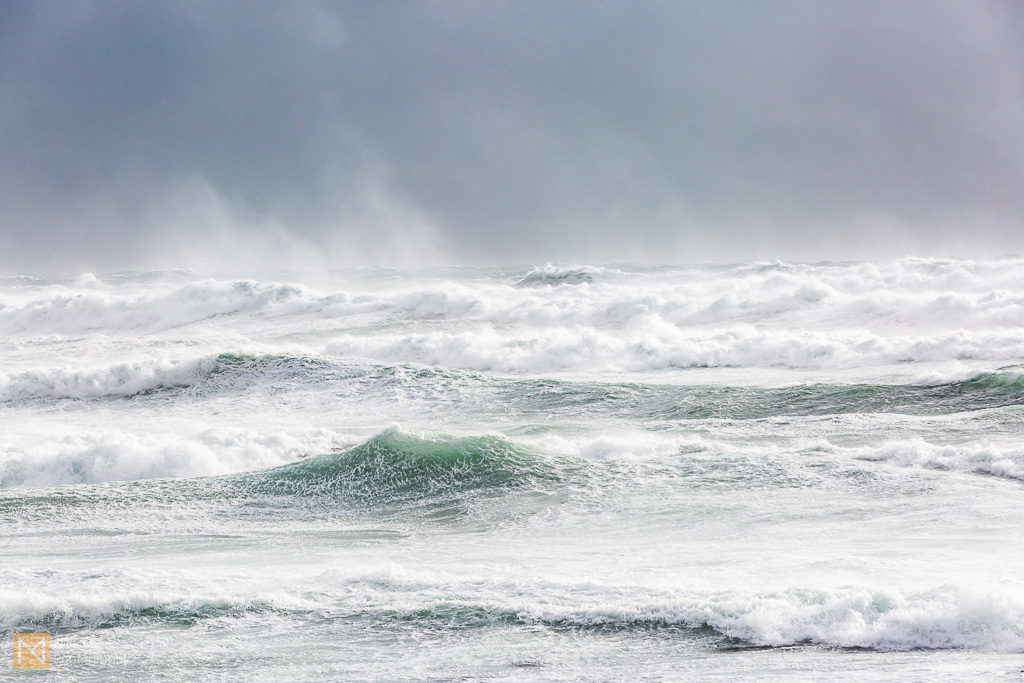
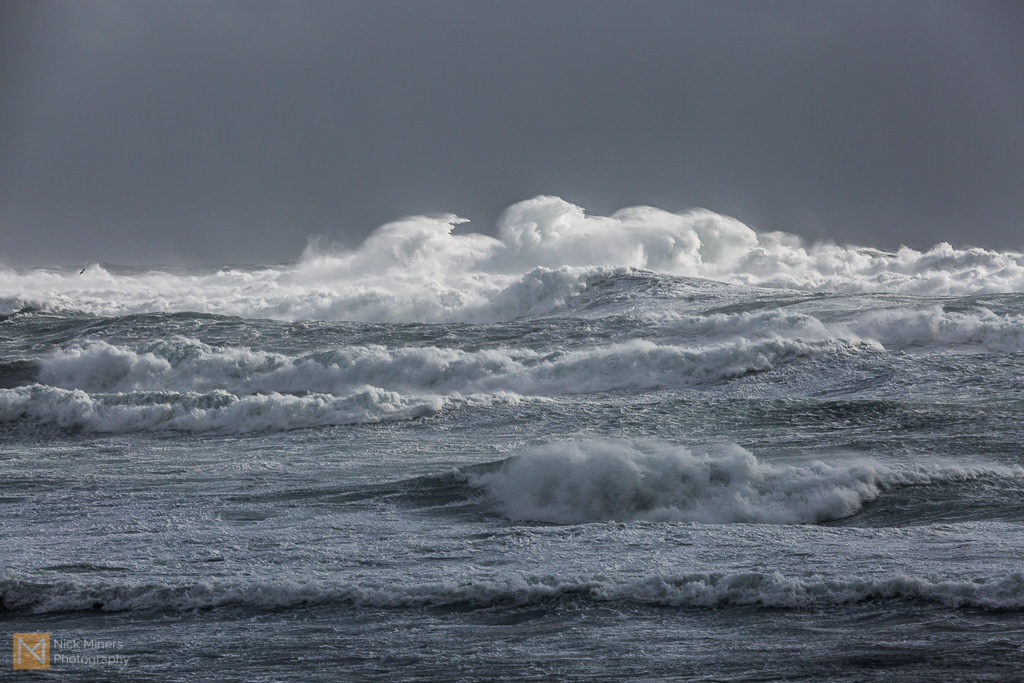
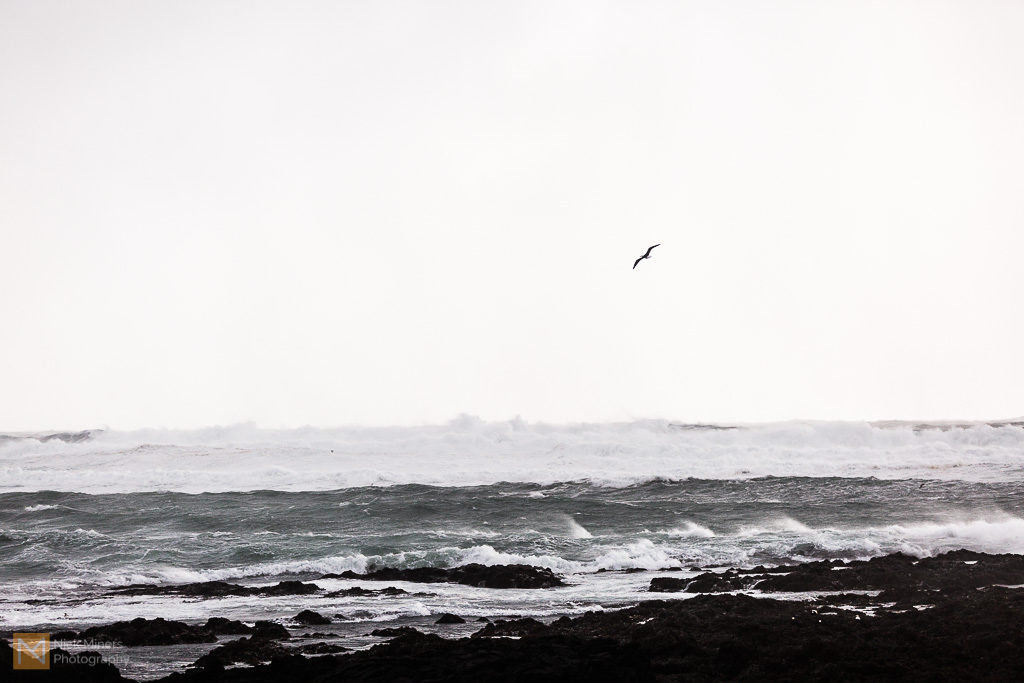
The next day, when we were due to head out to our first night outside Reykjavík, most of the main roads out of the city were closed by heavy snow. Thankfully Siggi knew of another route out of town, and we seemed to be lucky enough to always stay in the sunny spot between the waves of heavy rain. Our first stop was at Grindavík, a small fishing village south of Reykjavík, where the ferocious wind was creating wonderful shapes in the sea.

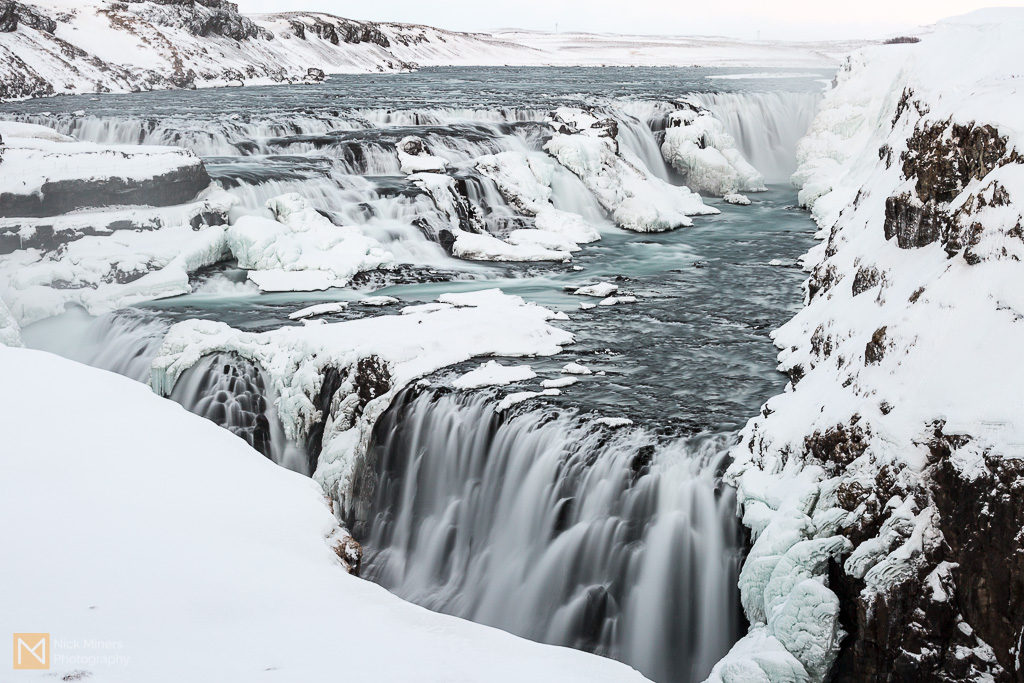
Next it was time for my favourite waterfall in Iceland, Gullfoss. It’s easy to get to and is very popular with tourists, but as we arrived the snow was blowing horizontally, and most of the other tourists had been scared off, so we had the place to ourselves. After standing huddled together with hoods up, sheltering our precious gear, for about half an hour while the wind howled, the sky started to clear and we could finally see the waterfall again.

The cold weather meant that the spray pouring off the cascade was freezing onto the adjacent rocks, creating amazing abstract, almost organic shapes.

Much of the following day was spent on the road, as we had a lot of ground to cover before reaching our next hotel, where we were staying for two nights. It turned out to be somewhere I’d stayed before, on a trip in 2010, so it was a pleasant surprise to be back. After a good night’s rest and a typical full-on breakfast, we started exploring the area.

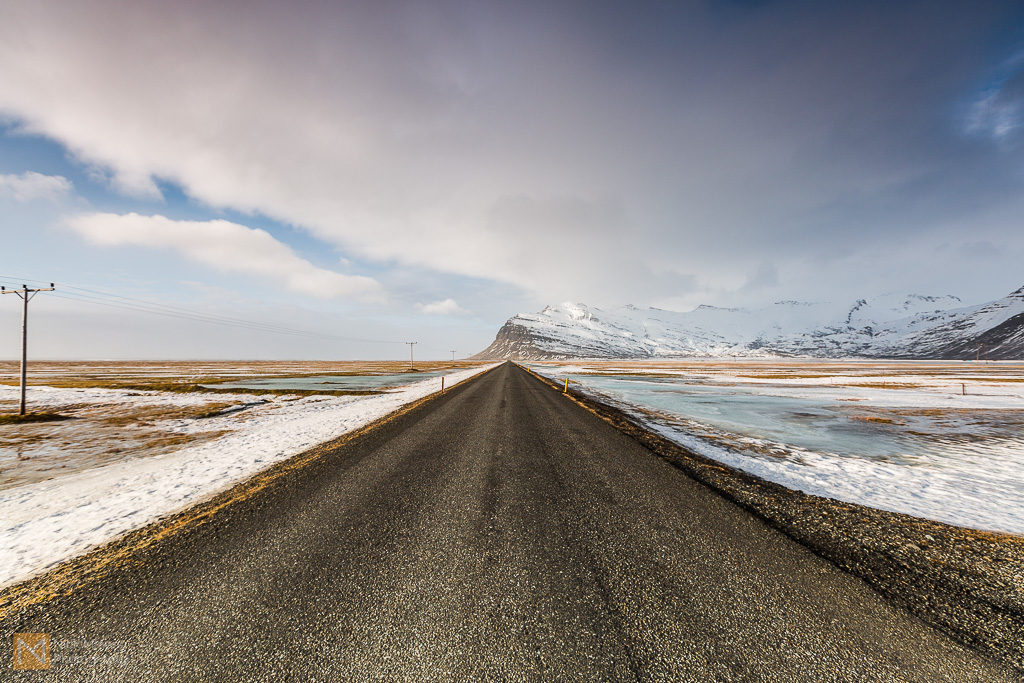
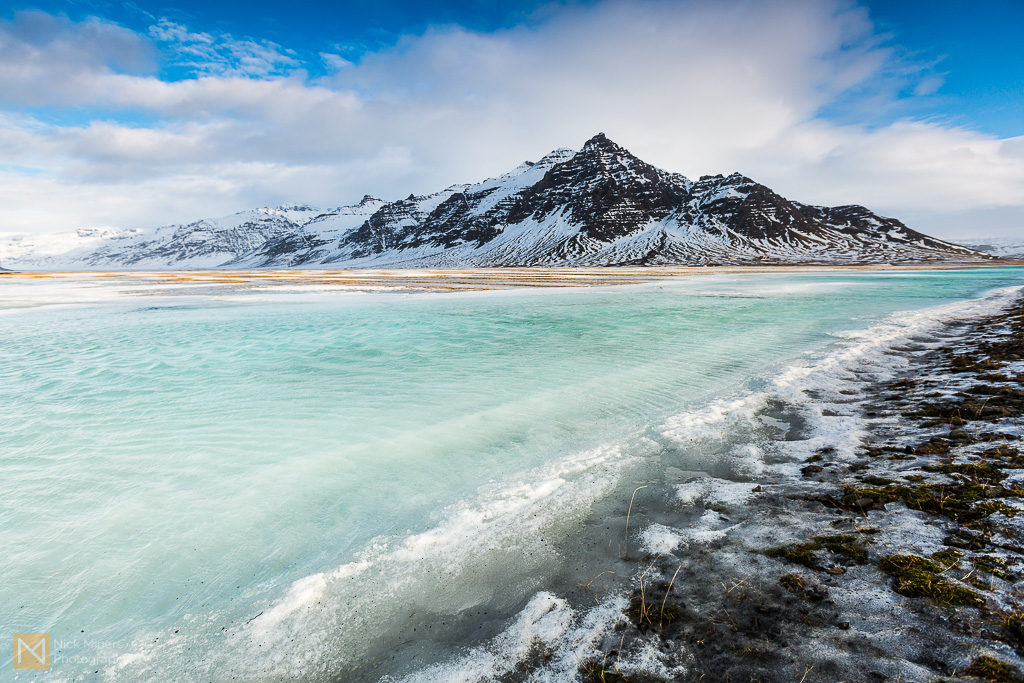
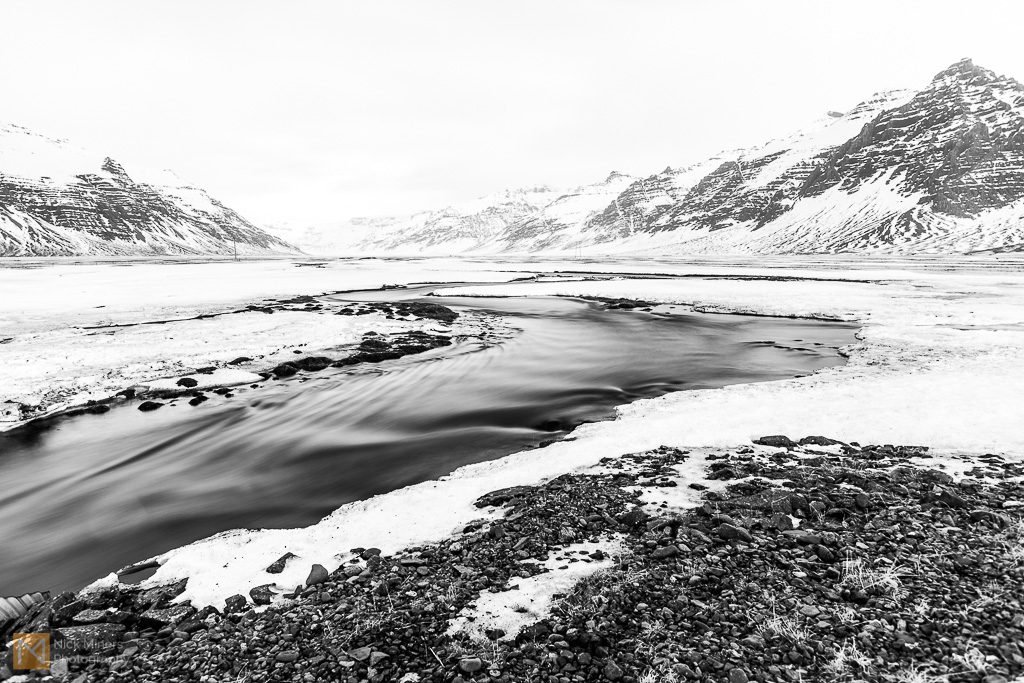
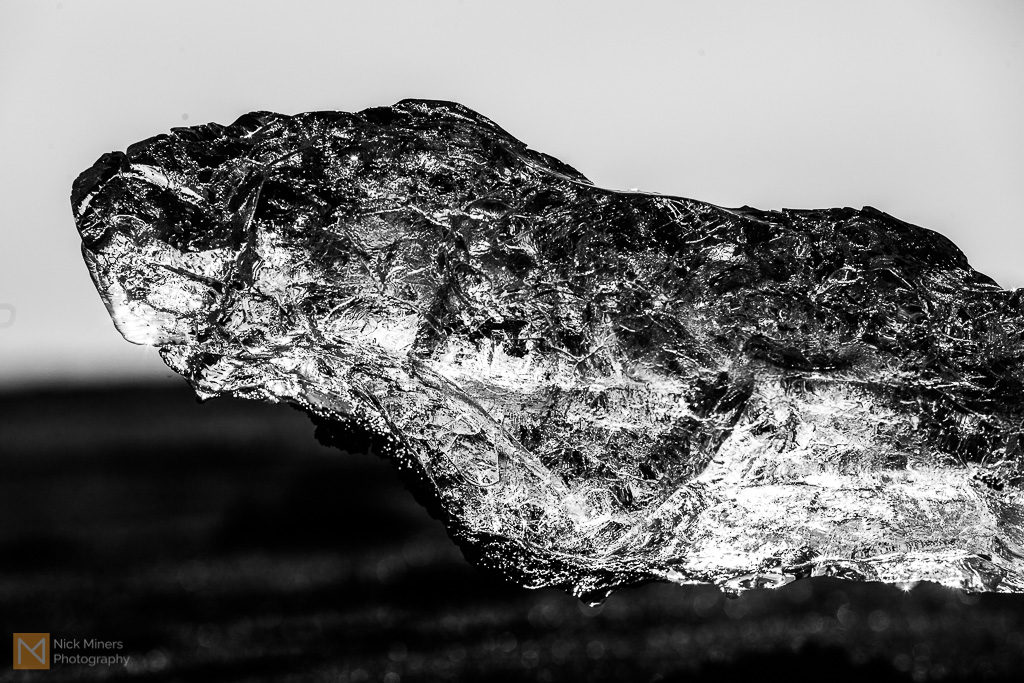
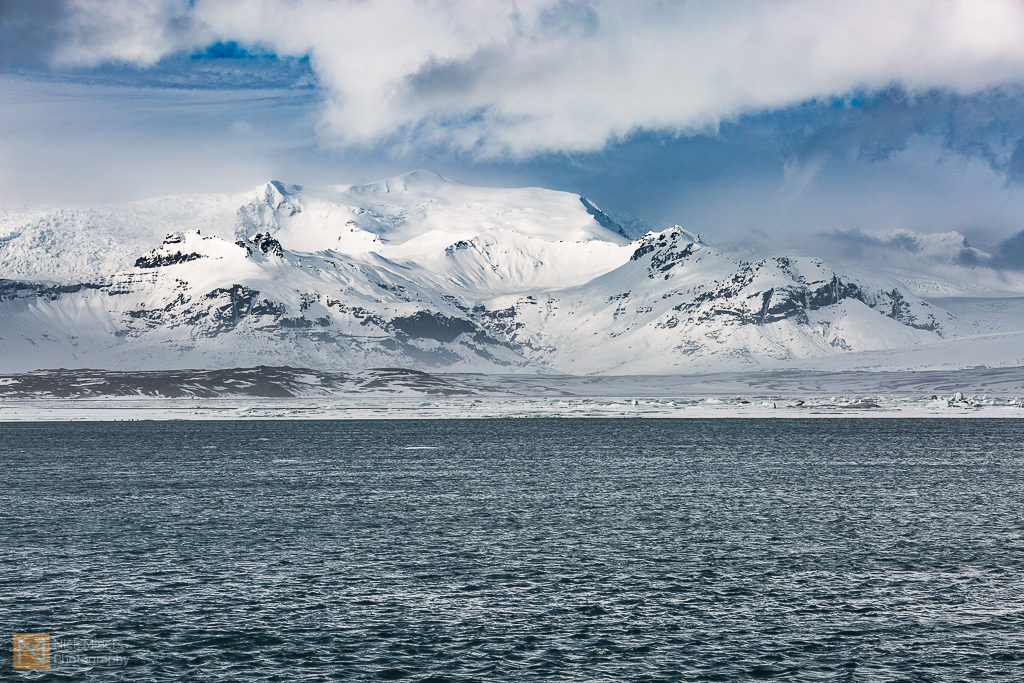
These were taken on an unscheduled stop on our way to Jökulsárlón, the iceberg filled lagoon that sits opposite the black sand beach that Siggi talked about in the video. There were plenty of ‘ice cubes’ as he puts it on the sand, but surprisingly few in the lagoon itself.

Coming tomorrow – some actual icebergs in the iceberg lagoon, fun with torches, and more waves. See you then!