Moving Minions

Daisy and I have been discussing this for a while.

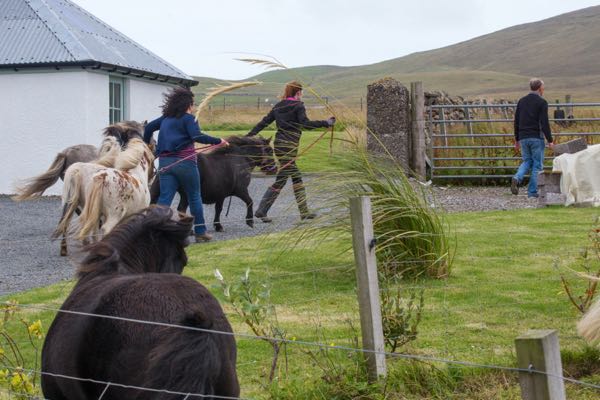
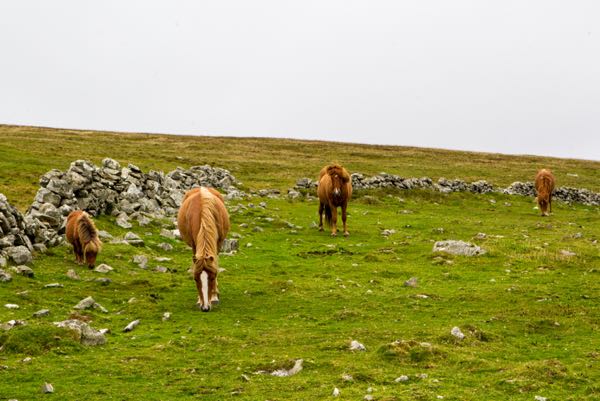
Sensing the time was nigh, we grabbed four headcollars, caught and loaded the four older Minions and took them over to the field where the ladies have newly moved in.  Waist high grass needs eating down.

It was time for the Minions to live with Les Girls.

When we arrived, friends slowed down in their car to chat and I quickly volunteered them to help. It is always easier moving four ponies with more than two people.

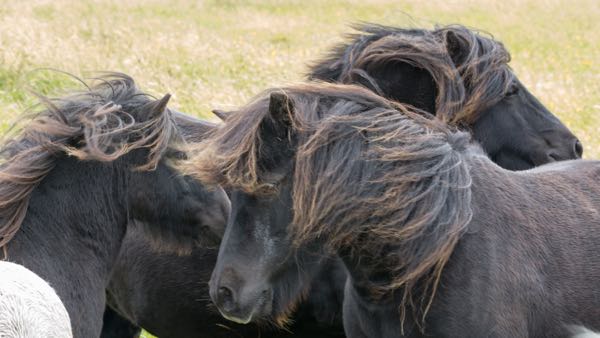
The Minions were very pleased to see their new guests.

Waffle, the token “stallion” had been sorely missed, especially by Lyra who adores him.

She is still waiting for her man to grow up to be 17hh, like he promised. It is going to be a very long wait.

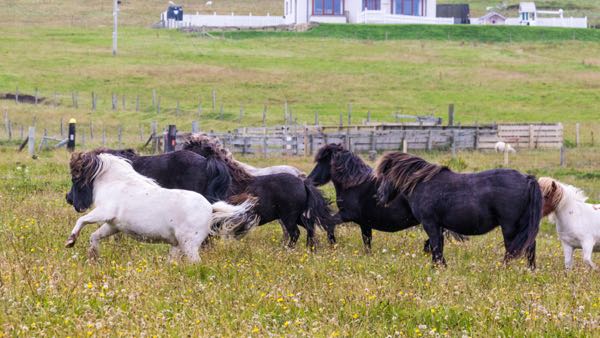
The girls and boys quickly reacquainted themselves with each other.

It does not take long for old friends to say hello.

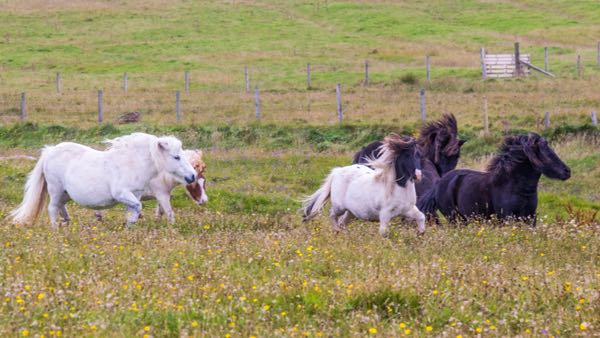
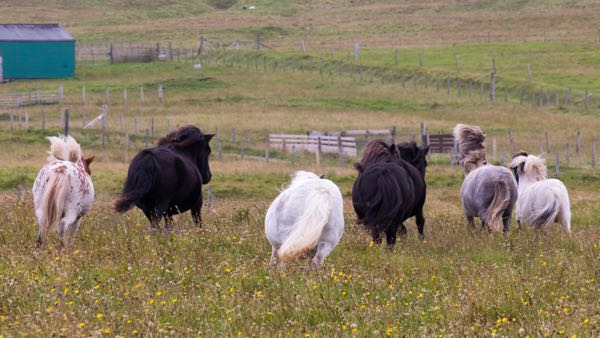
A token gesture of running about and pretending to be a herd of wild ponies.

Like you do *** cough, Storm who do you think you are? Aww, bless him for trying. ****

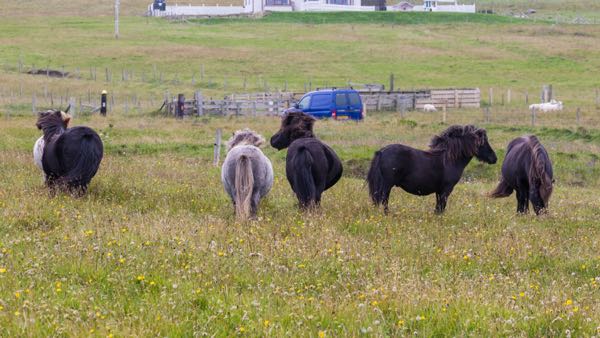
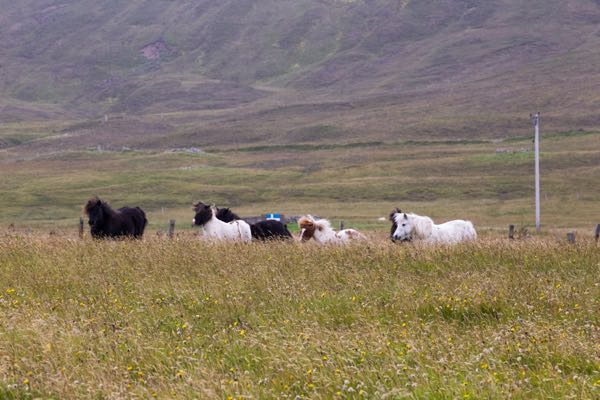
Getting to know the new field.

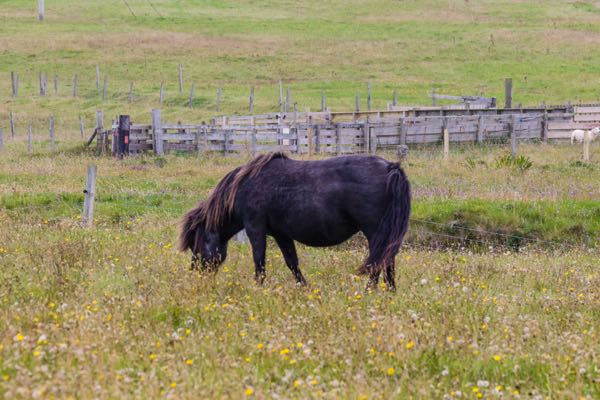
And amongst all this, Delia, the old lady, ignored them all and concentrated on the important stuff – eating.

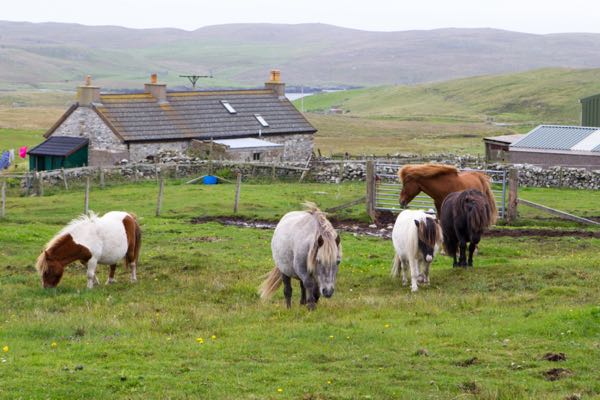
So, that’s the Minions now living with the girls for the rest of the winter.

Albie and Newt have had to stay behind in the boys field at Thordale.  As long as we have One-Nut-Newt, he cannot run with the mares.  I cannot take the risk.

Sunday Bonnets

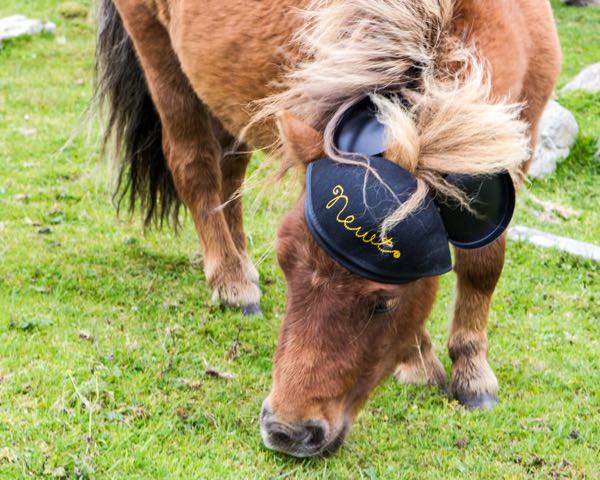
Here at Thordale, today is Sunday Bonnet Day.

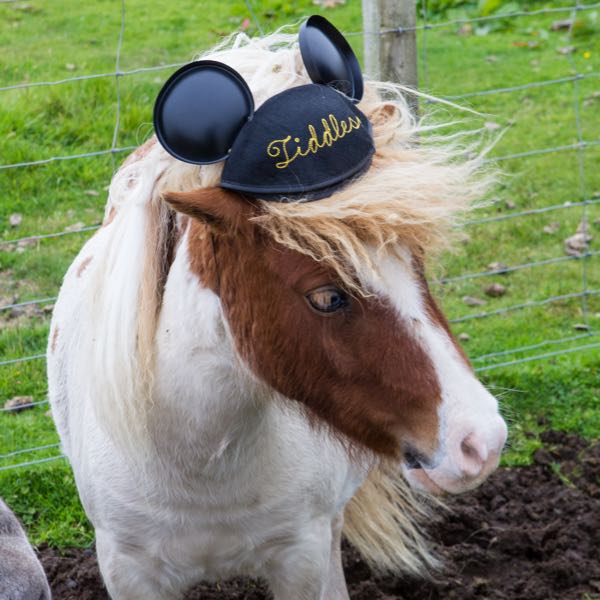
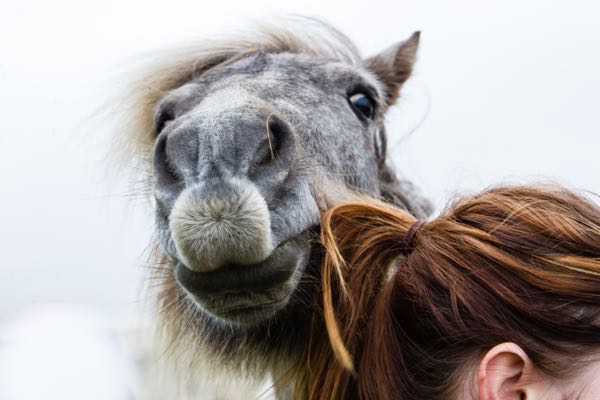
Obviously, every Minion has their own.

They all wore them.

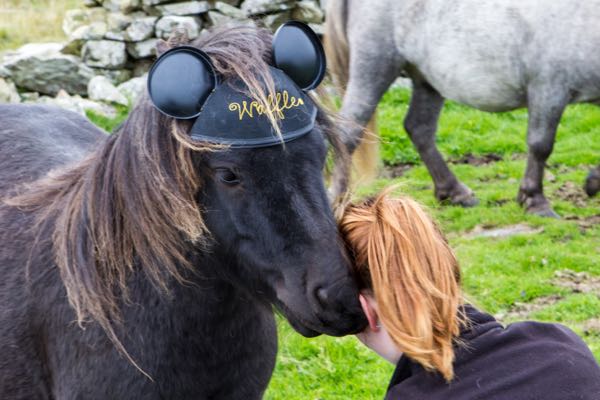
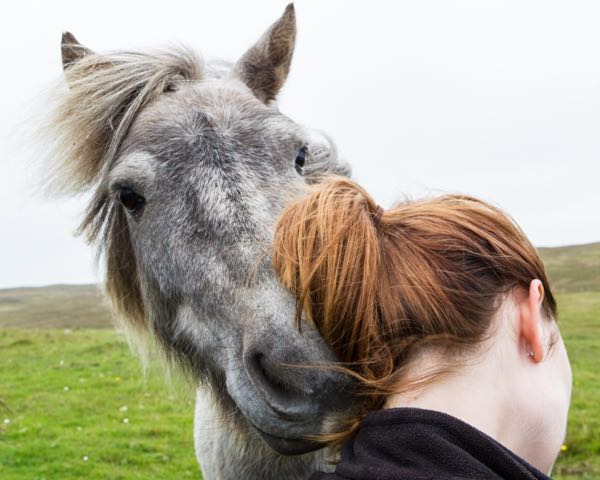
(nose-kissey rewards for happy participation)

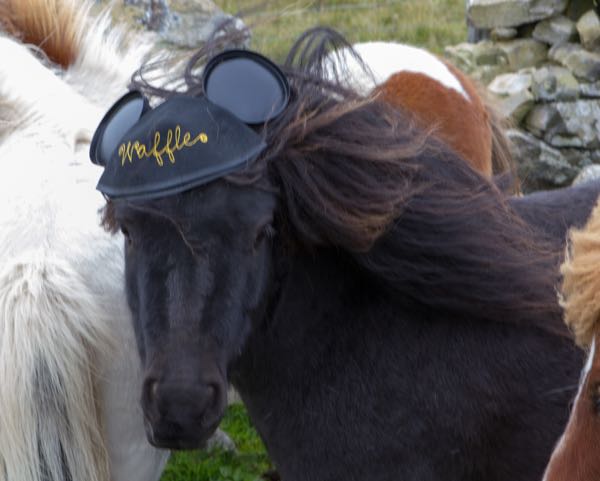
Waffle wins the prize for looking ridiculously good looking.

Now he can wear a hat.

He has style, flair, panache, je ne sais quoi and is perfectly at ease with his fashion statement (ear-kissey).

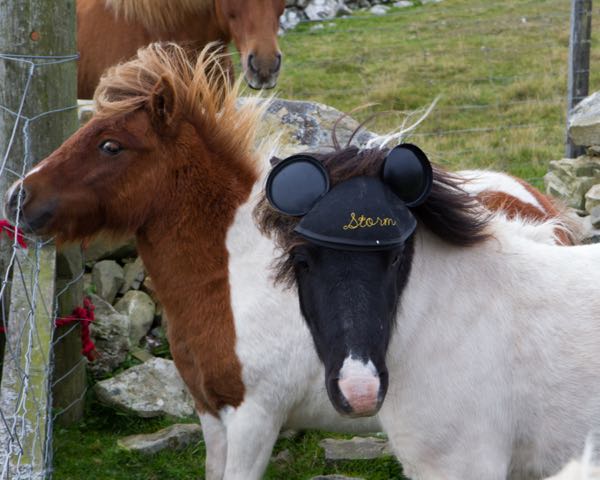
Storm, of course, wears his like it is an every day occurrence.

Since arriving at Thordale, when he was 9 months old, he has worn a hat on a regular basis.

Sadly (and there is always one) today, Silver said no thank you.

Newt (whose hat arrived in the post a few days ago) was with the big boys because he is one of the guys.

This is the first time Newt has sported this groovy apparel.

And, of course, he took it all in his stride.

He even managed a jaunty angle.

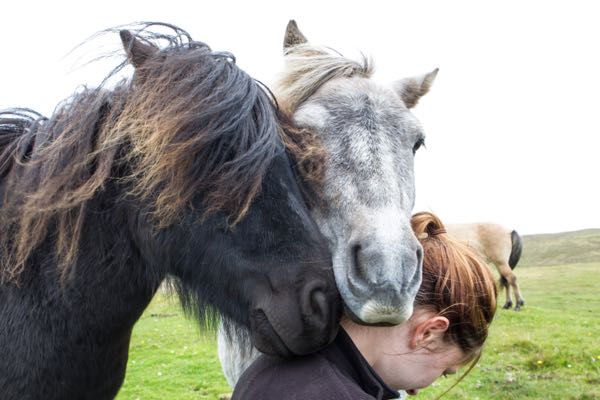
Afterwards, we sat on some rocks and waited for the hugs.

Silver apologised for having a moment.

He was forgiven.

Tiddles moved in our latest visitor.

If you want a good chat, talk to a Minion.

If you want a good life, wear a Sunday hat!

These hats are very generously gifted by Minion god-parents.  We love them!

Prehistoric Liradale

After my last post about Leradale/Liradale and its’ various archaeological features, I have been told a bit more by Archaelogy Shetland (thank you!)
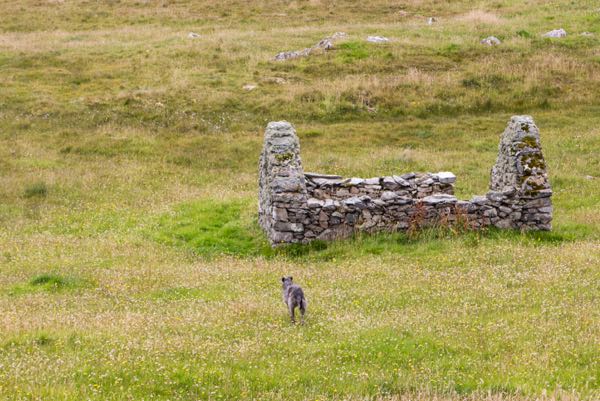
Ok, so going WNW towards (the green circle at 21:30) first….
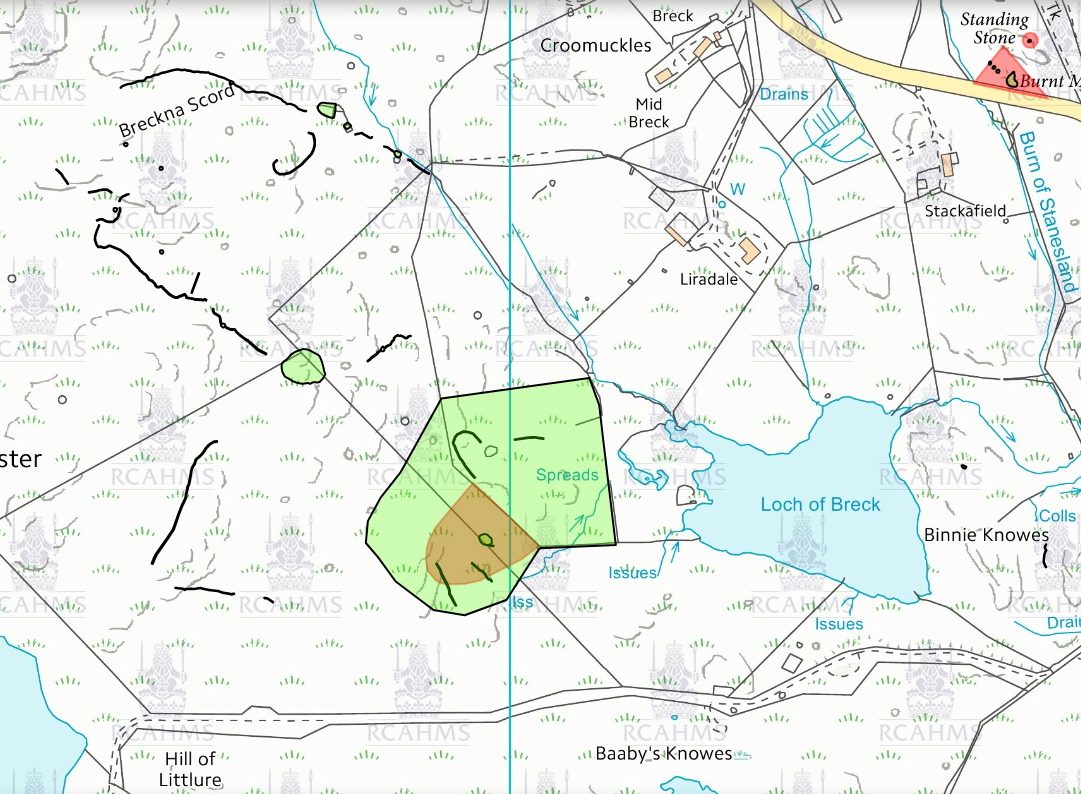
We walked up the hill (this is boundary that dog legs through the croft where the burn meets the fence).
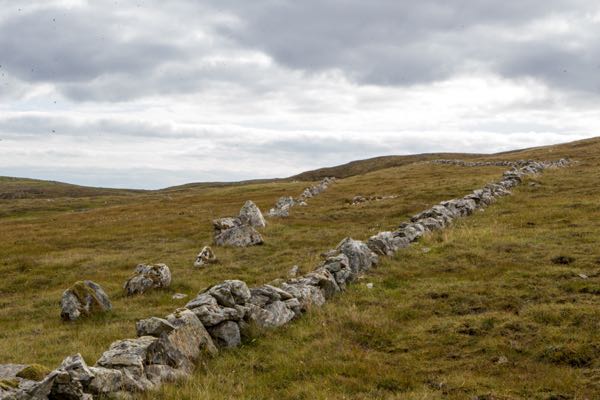
(from another angle)

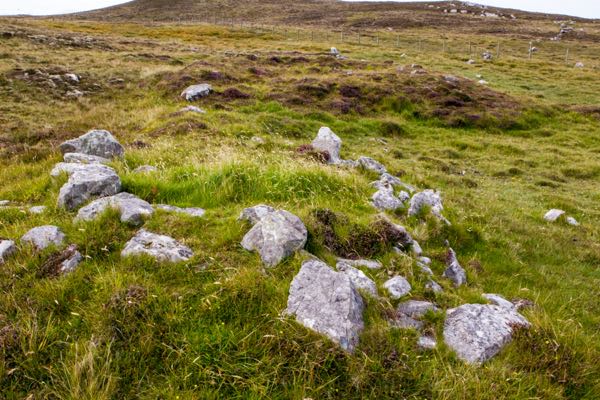
Below the fence boundary, there was this little tumpty (unmarked but perhaps of note).
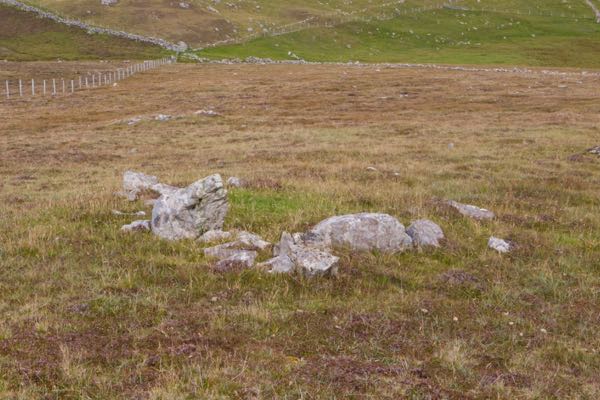
This is the little green circle at the top of the fences (direct west).

On Pastmap.org.uk it is described as

Historic Environment Record
Breckna Scord

Site Type: FIELD SYSTEM, ENCLOSURE
Council: Shetland Amenity Trust
HER ID 8325

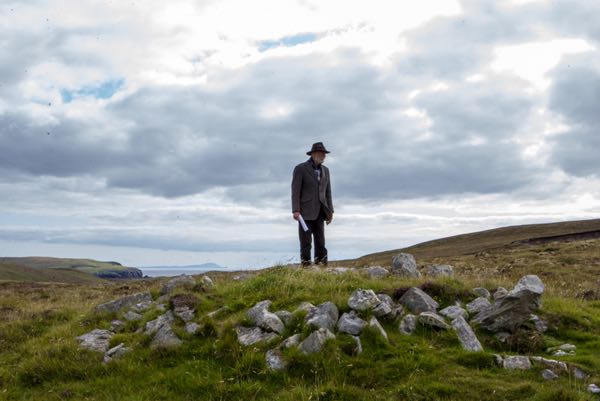
An oval shaped feature with a distinct “front door” with attached little stone place

(for scale reference)
Then below is the wiggly line on the map.
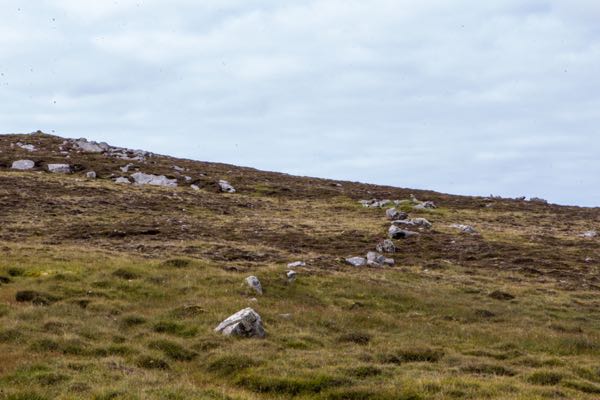
There was, we felt, evidence of terraces (which are very hard to photograph but if you were there, you could see them!)
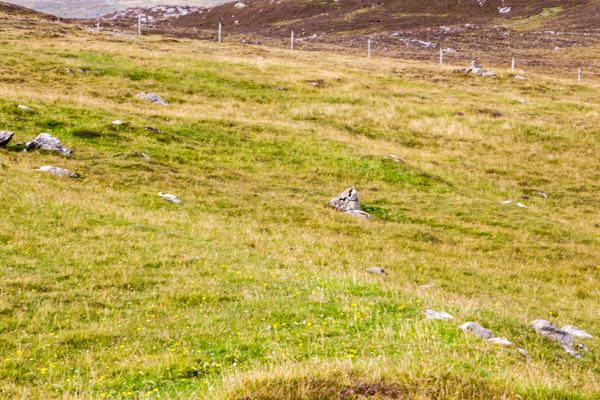
Nex, the big green bit – the shaded large odd shape

This is the hook line, which is more like a complete stone circle.
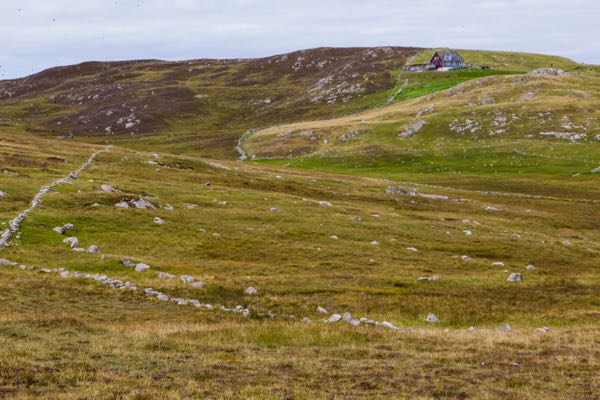
And another interesting feature that is unmarked on the map.
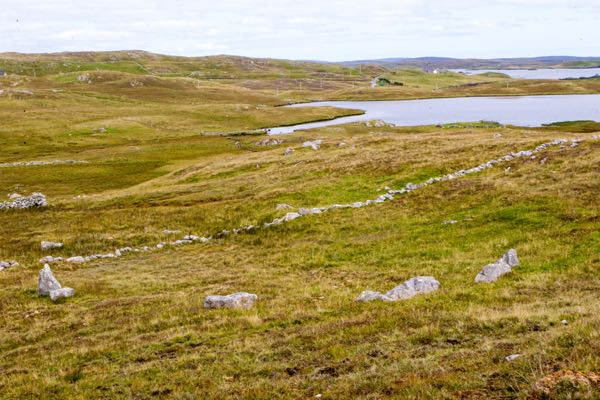
This is the wiggly line below the hook shaped line

The tiny green circle is another possibly dwelling site.

Historic Environment Record
Lock of Breck
Site Type: SETTLEMENT, OVAL HOUSE
Council: Shetland Amenity Trust
HER ID 3610
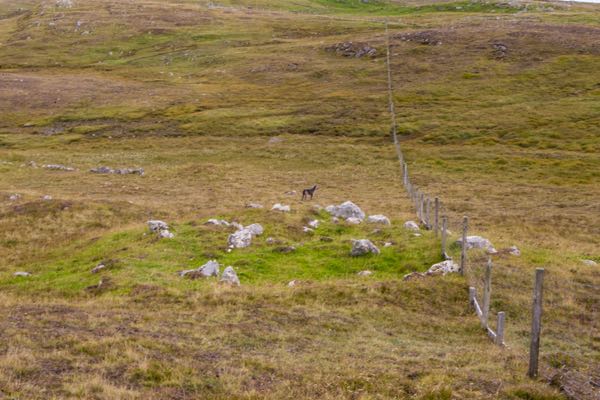
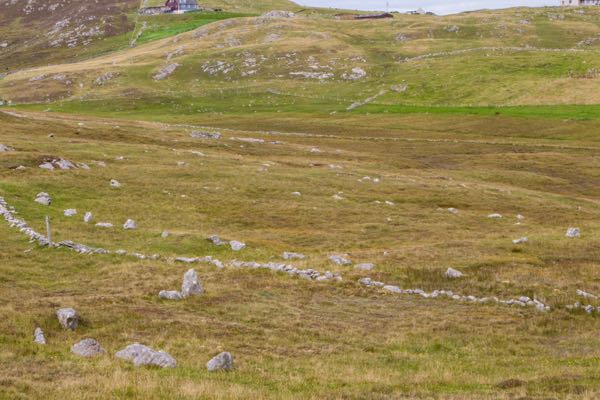
And the two parallel stone walls above on the next door’s land.
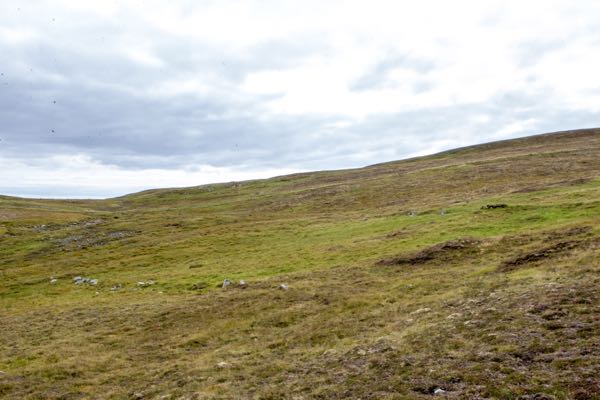
Obviously, we ignored the new builds!
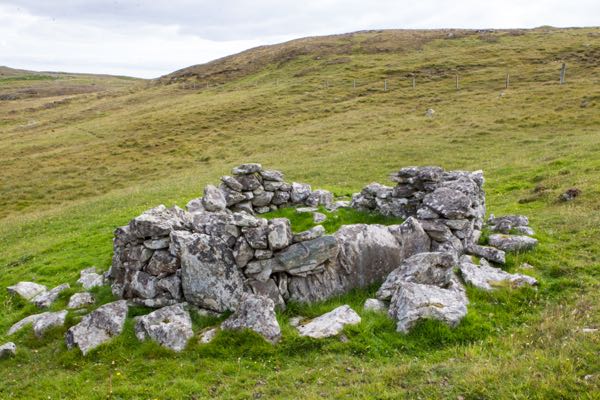
So, there you are.  We found we have an official listing.
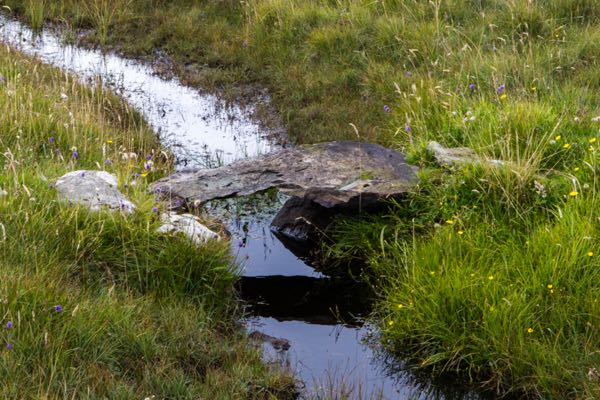
We are an Historial Monument!
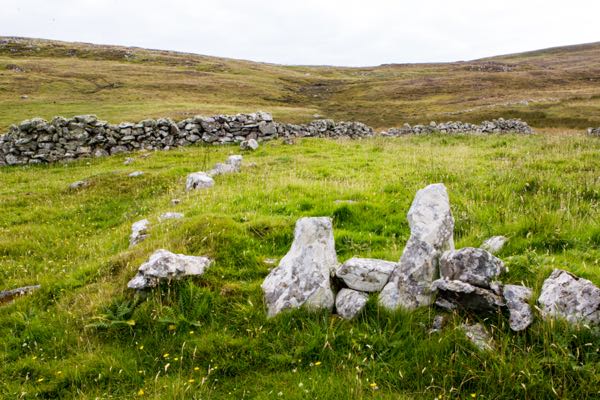
 

I had no idea.  Absolutely none.  We are of national importance!
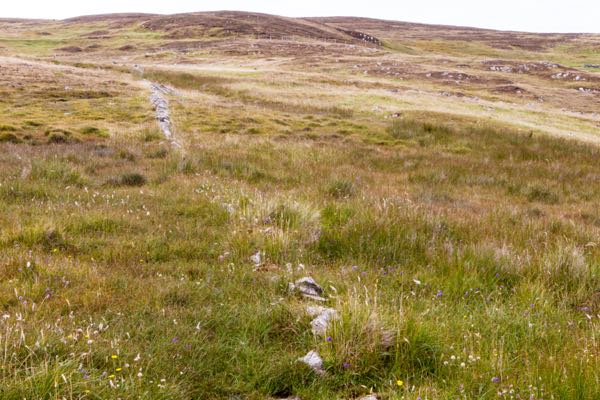
http://portal.historicenvironment.scot/designation/SM6158

“Type: Prehistoric domestic and defensive: field or field system; hall; settlement (if not assigned to any more specific type)

Location

  • Local Authority: Shetland Islands
  • Parish: Walls And Sandness

National Grid Reference

  • NGR: HU 20965 48385
  • Coordinates: 420965, 1148385

Description

The monument comprises the remains of a prehistoric settlement of at least one house together with the remains of contemporary fields.

The settlement is located on a NE-facing slope overlooking Loch of Breck. A single oval house has been revealed by peat-cutting. It measures some 6m by 4.5m internally, with walls up to 2m thick. The entrance has been from the SE, where a curving wall foundation suggests a porch or windbreak. Within the house, alcoves can be traced in the inner face of the wall on the NE side. To the N and NW of the house small squarish terraces probably represent contemporary fields, and there are a number of small cairns, perhaps of field cleared stones, in the area.

The area to be scheduled is irregular on plan, bounded on the NE by a modern fence, which is itself excluded. It measures a maximum of 95m NE-SW by 90m, to include the house, fields and cairns and an area around them in which traces of activities associated with their construction and use may survive, as marked in red on the accompanying map.

Statement of National Importance

The monument is of national importance as a small prehistoric farming settlement which has the potential, through excavation and analysis, to provide important information about prehistoric domestic architecture and subsistence economy.”

My friends, who take a huge interest in this sort of thing, think it is might be a Neolithic settlement.  We sat on our stones and tried to imagine how these folk lived and who they were.

i tried hard not to think about life with woolly mammoths!
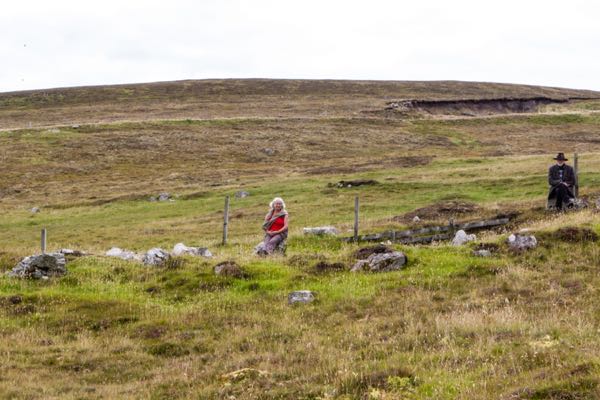
Liradale needs to be excavated and I want to find out more.  Anyone interested?


Otter Watching

Along my travels, I often meet photographers who go otter watching.

Accompanying them is a different matter.  People like to keep their otters to themselves.

So, today I managed to blag a ride!

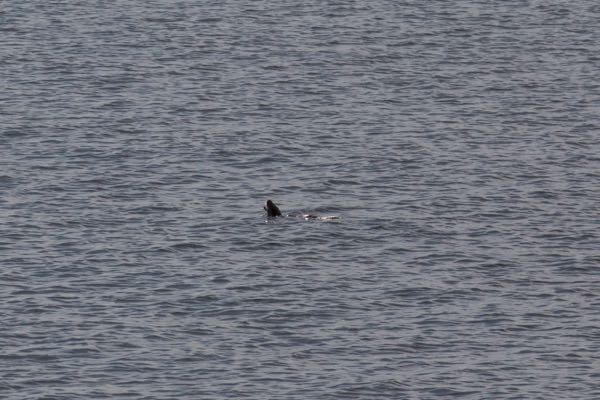
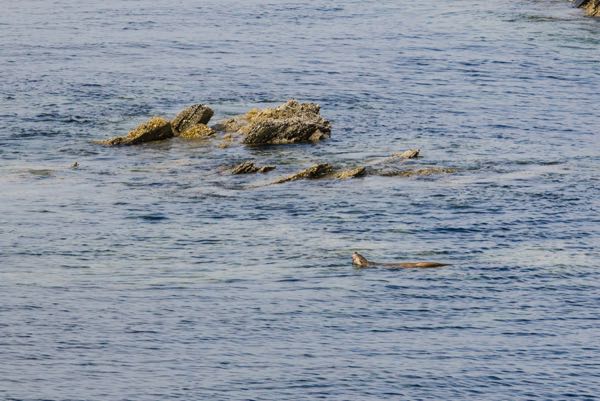
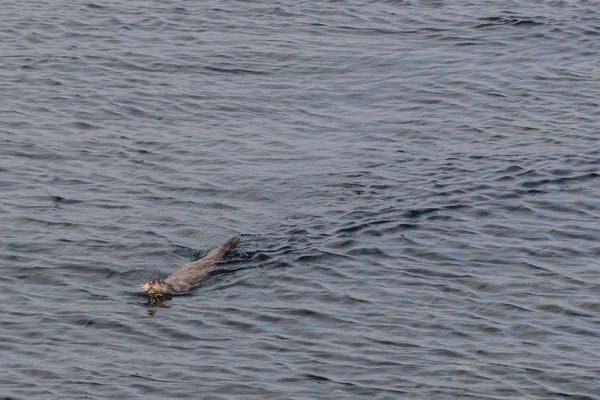
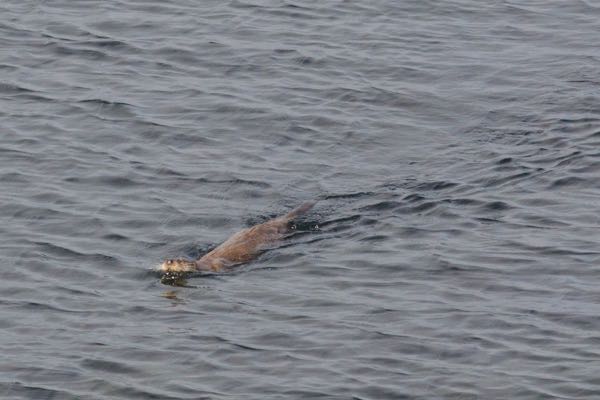
And, guess what?  We saw an otter!

I have always wanted to photograph one ever since I bought this camera and managed to miss an all-singing-and-dancing otter close to home because I didn’t know how the camera worked.  Much to my frustration, I had some lovely photos of waves and a dark blur.

But now I know better – since then, I have read the manual!

Anywho, today I knew it was an otter because it wasn’t a seal!

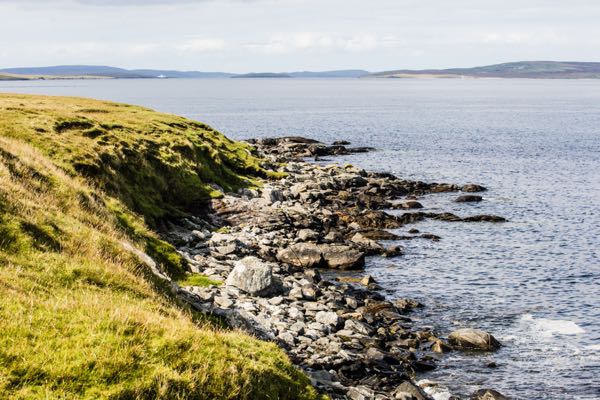
I was taken on a lovely walk in the Shetland Autumn sunshine along the coast, looking for these elusive creatures.

Everyone in the whole world sees otters in Shetland and busily enjoys telling me how they trip up over them on a regular basis.

Everyone but me.

Like celebrities at Wimbledon, I can walk past and miss the lot!

So we were all sitting down, having a chat, putting the world to rights when I saw another!

It appeared out of nowhere and the movement was different from a seal.  I am very used to seals.

It had a fish and was sitting on a rock a little way out to see.

Best of all, it hadn’t seen us.

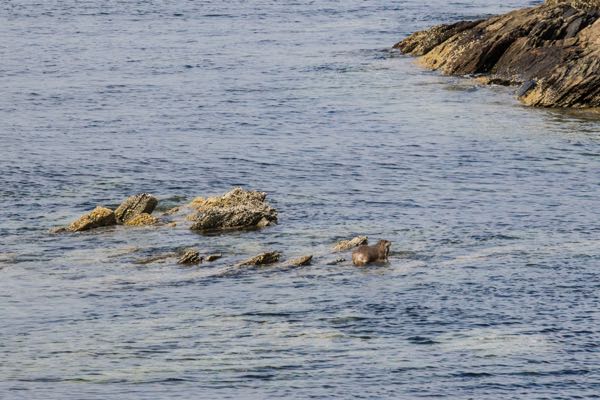
After eating, the otter swam around and then into shore.

Then it dived and came up on the shoreline, spotted us and quickly disappeared.

Who cares!  I have finally seen and photographed an otter.

For me, this is a huge achievement.

So, now I know how to spot the, where to look and where to go back.

One day.

A huge thank you to my friends. You have no idea how much this afternoon meant to me.

Coprophagia

Coprophagia – from the Greek “kopros” for faeces and “phagein” for eat.

Yup, you get the gist!

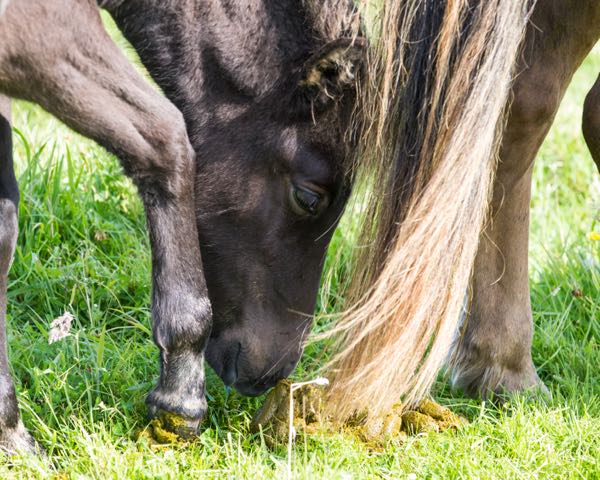
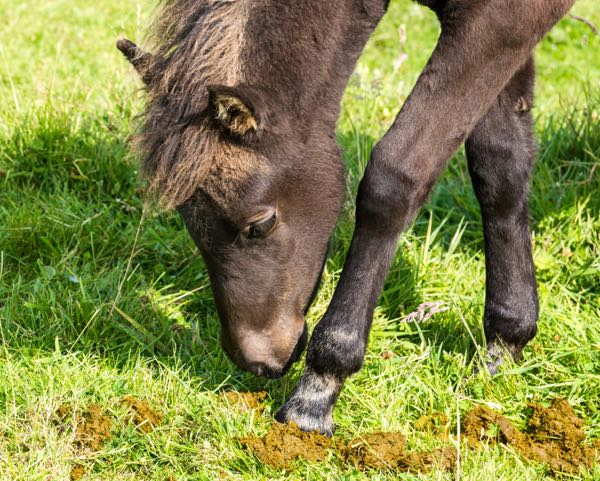
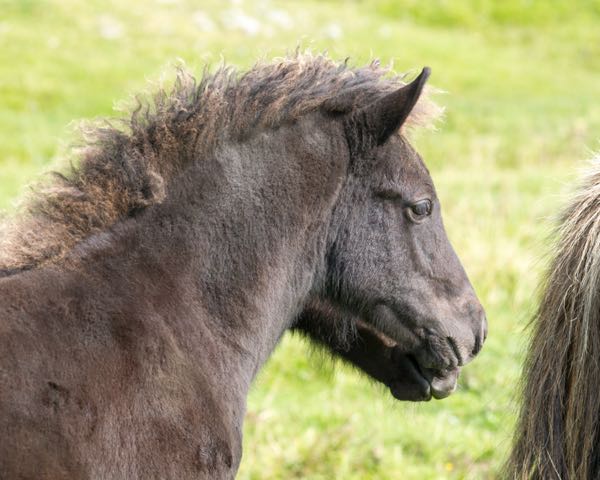
After we had finished talking to Dreki and Lilja the other day, they went off together to be foals with whichever mare could put up with them.  Today, it was Hetja’s short straw.

One thing all foals have is coprophagia – the need for ingestion of faecal material.

Coprophagia is fascinating to watch.  The mare defaecates and the foals are instantly drawn to the newly dropped faeces and start digging/pawing at it, and then picking out little bits to eat.

To some, you might be revolted by this.

To us, I was very happy to see it occur – it means everything is normal and how it should be.

During this transitional time, the foals are beginning to eat grass but they also need to establish the micro-flora in their gut.

By eating a mare’s stools, the little ones will receive everything they need – minerals, vitamins, micro-organisms – all necessary for gut maintenance and therefore healthy development.

Stool eating in foals is also a method of developing the ability to graze selectively, ie deciding what is poisonous and what is not.

All very interesting.

Copraphagia should be encouraged – it maximises health and development in foals.

Foals usually grow out of it at about 6 months.

And now you know (and so do I – I vaguely did, but it was good to look up for the official version).